Jul 2026 · 12 min read
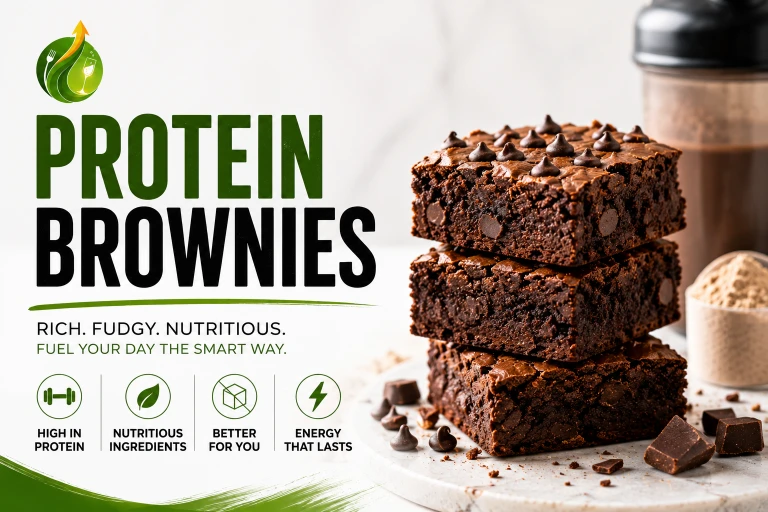
A regular brownie and a high-protein brownie can look almost identical on the outside — same dark, glossy top, same dense square shape — but on the inside, they are built on completely different logic. One is designed purely around taste and texture. The other has to hit a protein target, hold its shape, resist drying out, and still taste like a treat rather than a supplement.
That balancing act is not accidental. It is the result of food formulation — the deliberate process of choosing ingredients and ratios so a product performs the way it is supposed to, batch after batch. This article breaks down exactly what happens when protein is added to a brownie, why so many homemade and store-bought versions turn out dry, chalky, or rubbery, and how formulation science solves each of those problems.
This guide was compiled by reviewing current food science literature on protein baking and ingredient functionality, cross-checked against formulation practices used across the bakery and functional-snack industry, including approaches applied by food R&D teams such as Flavor Catalystz when developing high-protein bakery products for commercial brands.
What Actually Makes a Brownie “High-Protein”?
There is no single legal definition of a “high-protein” brownie, but the food industry generally treats a serving as high-protein once it crosses roughly 10 grams of protein, with many premium bars and bakery-style brownies reaching 15–20 grams per serving. A traditional bakery brownie, by comparison, typically carries only 1.5 to 6 grams of protein per serving, most of it coming incidentally from eggs and flour rather than by design.
| Brownie Type | Typical Protein per Serving | Primary Protein Source | Typical Calories |
| Traditional bakery brownie | 1.5–6 g | Eggs, wheat flour (incidental) | 250–400 kcal |
| Home-style “protein powder” brownie | 6–12 g | Whey or plant protein powder | 150–280 kcal |
| Commercial high-protein brownie/bar | 10–20 g | Whey isolate, milk protein, pea protein | 180–260 kcal |
| Legume-based protein brownie | 5–9 g | Black beans, lentils, chickpeas | 150–220 kcal |
The gap between these categories is not just a marketing label — it reflects real differences in how the batter is engineered. Once protein content climbs past 10–12 grams per serving, ingredient ratios have to change substantially to keep the product edible, and that is where most DIY attempts (and a fair number of commercial ones) run into trouble.
The Core Formulation Challenge: Why You Can’t Just “Add Protein Powder”
The most common mistake in protein brownie formulation is treating protein powder as a simple substitute for flour. In reality, protein and flour behave very differently once heat and moisture are introduced.
Wheat flour contains starch and gluten-forming proteins that gelatinize and stretch, trapping air and moisture in a soft network. Isolated proteins — whey, casein, soy, pea — do not behave the same way. They denature (unfold and re-bind) at specific temperatures, and once they do, they tend to tighten and squeeze out moisture rather than hold onto it. This is the exact mechanism behind the dry, rubbery texture that plagues so many “healthy” brownie recipes.
Ready to Launch Your Own High-Protein Brownie Brand?
At Flavor Catalystz, we help food brands develop delicious, high-protein brownies with optimized texture, protein content, ingredient functionality, shelf-life stability, clean-label options, and commercial-scale manufacturing support.
There are three formulation variables that determine whether a high-protein brownie turns out fudgy or turns out like a sad protein puck:
- Protein-to-moisture ratio — every additional gram of isolated protein needs a corresponding adjustment in fat or liquid to prevent the batter from seizing during baking.
- Bake time and temperature — protein-heavy batters scorch and dry out faster than flour-heavy ones because there is less starch to buffer heat.
- Mixing method — overmixing a protein-rich batter develops toughness far more quickly than it does in a standard brownie, because whey and soy proteins are more shear-sensitive than gluten.
Ingredient-by-Ingredient: What Each Component Is Actually Doing
A well-formulated protein brownie is really a stack of small trade-offs. The table below shows what each core ingredient contributes and why swapping one thing often forces a change somewhere else.
| Ingredient Category | Function in the Batter | Common Choices | Formulation Trade-off |
| Protein source | Structure, nutrition target | Whey concentrate, whey isolate, casein, pea, soy, egg white | Higher protein % often means drier crumb unless fat/moisture is increased |
| Fat | Moisture retention, mouthfeel, flavor carrier | Butter, nut butter, coconut oil, Greek yogurt | Too little fat = dry/crumbly; too much = greasy, dense texture |
| Binder/starch | Holds crumb together, replaces lost gluten structure | Oat flour, almond flour, tapioca starch, mashed banana | Alternative flours absorb water differently than wheat flour |
| Sweetener | Sweetness, browning, moisture | Sugar, monk fruit, erythritol, dates, honey | Sugar substitutes change Maillard browning and can affect texture and aftertaste |
| Leavening | Rise and crumb softness | Baking soda, baking powder | Protein-dense batters often need less leavening, not more |
| Flavor maskers | Covers “chalky” or bitter protein notes | Cocoa powder, espresso powder, vanilla, salt | Balances protein’s inherent bitterness without adding sugar |
Comparing Protein Sources: Not All Proteins Bake the Same Way
This is the step most home bakers and even some early-stage brands skip — and it is usually the single biggest driver of final texture.
| Protein Source | Texture Effect When Baked | Allergen Considerations | Typical Use Case |
| Whey protein concentrate | Softest, most forgiving; retains some moisture | Dairy | Best default for fudgy, home-style brownies |
| Whey protein isolate | Drier, denser; needs extra fat/liquid | Dairy (lower lactose) | Higher protein-per-gram products, leaner formulations |
| Casein protein | Very dense, can become gummy if overused | Dairy | Small-ratio blending only, not as sole protein source |
| Pea protein | Slightly gritty, earthy flavor note | None (plant-based) | Vegan formulations, often blended with rice protein |
| Soy protein isolate | Firm, holds shape well | Soy | Cost-effective plant option, moderate flavor masking needed |
| Egg white protein | Light, can dry out quickly at high heat | Egg | Works well in smaller ratios alongside fat-rich binders |
For anyone formulating from scratch — whether it’s a home recipe or an early product concept — the practical takeaway is that whey concentrate is the most forgiving starting point, while isolates and plant proteins require more careful moisture compensation.
Sugar Reduction Without Losing the “Brownie” Experience
Reducing added sugar is one of the top reasons people search for high-protein brownies in the first place, but sugar is not just a sweetener in baking — it is also central to moisture retention and the Maillard browning reaction that gives brownies their characteristic glossy crust and deep flavor.
When sugar is partially or fully replaced with alternatives like monk fruit, allulose, or erythritol, formulators typically have to compensate in three ways: adding a small amount of a moisture-holding ingredient (like applesauce or Greek yogurt), lowering the bake temperature slightly to avoid over-drying, and boosting flavor depth through cocoa concentration or a pinch of espresso powder, since sugar substitutes don’t caramelize the same way table sugar does.
Texture Engineering: Getting the Fudgy vs. Cakey Balance Right
Whether a protein brownie turns out fudgy or cakey mostly comes down to the ratio of fat to flour/protein solids and how much air is incorporated during mixing.
| Desired Texture | Fat Ratio (relative) | Mixing Style | Protein Type Best Suited |
| Fudgy, dense | Higher fat, lower leavening | Minimal mixing, fold gently | Whey concentrate, nut butter blends |
| Cakey, lighter | Lower fat, more leavening | Whip eggs/protein slightly longer | Egg white protein, whey isolate blends |
| Chewy, bar-like | Moderate fat, added binder (dates, tapioca) | Dense, compact fold | Soy or pea protein blends |
Common Formulation Mistakes That Ruin Protein Brownies
Most disappointing protein brownies — homemade or store-bought — fail for one of the same handful of reasons:
- Too much protein powder relative to fat/liquid, producing a dry, crumbly result.
- Overbaking, since protein-dense batters dry out faster than flour-based ones and don’t show the same visual doneness cues.
- Using isolate protein in a recipe designed for concentrate, without adjusting moisture.
- Skipping flavor maskers, leaving a bitter or “gritty” aftertaste that many plant proteins carry on their own.
- Ignoring rest time after baking, since protein-based batters often need a longer cooling period to fully set their crumb structure.
Fiber, Digestive Comfort, and the Sugar Alcohol Trade-off
Many high-protein brownies lean on added fiber (inulin, chicory root fiber, or resistant starch) and sugar alcohols (erythritol, maltitol, allulose) to hit both a high-protein and low-sugar label at the same time. From a formulation standpoint, these ingredients are genuinely useful — fiber improves fullness and can help offset the drying effect of isolated proteins by holding onto some moisture, while sugar alcohols provide sweetness with a much smaller impact on blood sugar than table sugar.
The trade-off is digestive tolerance. Both added fiber and sugar alcohols can cause bloating or digestive discomfort when consumed in larger amounts, which is why formulators typically cap these ingredients at levels well below what would cause noticeable issues in a single serving, even though it’s technically possible to push fiber or sugar-alcohol content higher to improve the nutrition label. This is one of several examples where the “best” formulation on paper (maximum fiber, minimum sugar) isn’t necessarily the best formulation in practice.
| Ingredient | Formulation Benefit | Practical Limit |
| Inulin / chicory root fiber | Boosts fiber count, some moisture retention | Typically kept under 5–8g per serving to limit digestive discomfort |
| Erythritol | Sweetness with minimal blood sugar impact | Can cause a cooling aftertaste or GI upset in large amounts |
| Allulose | Sweetness, better browning than erythritol | More expensive; often blended with other sweeteners for cost reasons |
| Maltitol | Very sugar-like sweetness and browning | More likely to cause digestive discomfort than other sugar alcohols |
Clean Label Trends Shaping Protein Brownie Formulation in 2026
Consumer expectations around “clean label” products have pushed formulation in a specific direction over the past few years: shorter ingredient lists, recognizable ingredient names, and a preference for whole-food binders (dates, nut butters, oats) over synthetic-sounding stabilizers and gums, even when those additives would technically make formulation easier.
This creates a genuine formulation constraint. Gums and emulsifiers (like xanthan gum or soy lecithin) are extremely effective at holding moisture and preventing crumbliness in protein-dense batters, but many brands now deliberately avoid or minimize them to keep the label simple, which means the moisture-and-texture problem has to be solved through ingredient ratios and process alone — a harder, more iterative path than simply adding a stabilizer. This is part of why clean-label protein brownies often take longer to formulate and go through more prototype rounds before launch than products that rely more heavily on functional additives.
From Recipe Tinkering to Reliable Formulation
A single successful batch in a home kitchen does not automatically translate into a product that performs the same way every time, at scale, across different ovens, humidity levels, and ingredient lots. That consistency problem is exactly what a structured food formulation process is designed to solve — testing ratios systematically, documenting how each ingredient swap affects shelf life and texture, and validating the recipe under real production conditions rather than just one good kitchen trial. Teams that specialize in this kind of formulation work, including firms like Flavor Catalystz, spend most of their time exactly here: turning a promising recipe into something that can be repeated reliably.
Choosing (or Making) a Protein Brownie That Actually Works for You
| Your Priority | What to Look For | What to Avoid |
| Maximum protein per serving | Whey isolate or blended protein, 15g+ per serving | Recipes/products relying only on eggs for protein |
| Best texture/taste | Whey concentrate, moderate fat content | High isolate ratio with no added fat |
| Plant-based | Pea + rice protein blend, added binder | Single-source soy or pea without flavor masking |
| Lower sugar | Monk fruit/allulose blends with added moisture source | “Sugar-free” claims with high sugar alcohol content (can cause digestive discomfort) |
| Long shelf life (store-bought) | Products with documented moisture-barrier packaging | Loose or resealable packaging for moist baked goods |
Final Thoughts
A high-protein brownie is a small but genuinely technical formulation problem. Every ingredient decision trades off against another, from protein source to sweetener to bake time. Understanding those trade-offs is useful whether you’re troubleshooting a home recipe or evaluating what separates a well-made commercial protein brownie from one that simply lists “protein” on the label without the formulation work to back it up. This is exactly the kind of formulation challenge that Flavor Catalystz focuses on, helping brands develop high-protein brownies that are technically robust, consumer-friendly, and ready for commercial production.
Frequently Asked Questions
Why do my protein brownies taste chalky or gritty?
This is usually caused by plant-based proteins like pea or soy, which don’t fully dissolve in a thick batter. Blending the protein powder with the wet ingredients first, before adding dry ingredients, and adding a bit of extra fat can significantly reduce the gritty texture.
Can I just replace flour with protein powder in any brownie recipe?
Not directly. Protein powder absorbs moisture differently than flour and doesn’t provide the same structural network, so a straight swap usually produces a dry or crumbly result. Most reliable recipes use protein powder alongside a starch or binder, not as a full flour replacement.
Why are my protein brownies dry even though I followed the recipe?
Overbaking is the most common cause, since protein-dense batters dry out faster than traditional ones and don’t show the same golden-brown doneness cues. Pulling them out slightly earlier and letting them finish setting as they cool usually helps.
Is whey protein or plant protein better for baking brownies?
Whey protein concentrate is generally more forgiving for baking because it retains moisture better than isolates or most plant proteins. Plant-based options like pea or soy protein work well but usually need extra fat or a flavor masker to avoid a gritty or bitter note.
How much protein powder should I add to a brownie recipe?
As a general starting point, replacing no more than 25–30% of the flour with protein powder tends to preserve texture reasonably well. Beyond that, most recipes need adjustments to fat and liquid content to avoid dryness.
Do sugar-free protein brownies taste different from regular ones?
Yes, to some degree. Sugar substitutes don’t caramelize or brown the same way sugar does, which can result in a slightly different texture and a less glossy top. Good formulations compensate with extra cocoa depth and a moisture-retaining ingredient.
Why do some protein brownies have a bitter aftertaste?
Bitterness usually comes from the protein isolate itself (especially some plant proteins) or from high concentrations of certain sugar substitutes. Cocoa powder, a pinch of salt, and vanilla are commonly used to mask this without adding sugar.
How should high-protein brownies be stored to stay fresh?
Because they often contain less preservative sugar than traditional brownies, high-protein brownies typically need refrigeration or airtight storage to prevent them from drying out or developing an off texture within a few days at room temperature.