May 2026 · 18 min read
What makes a food product sell at scale in India is not just taste. It is the intersection of frequency of need, price accessibility, distribution reach, and cultural familiarity. India’s food consumption is shaped by 1.4 billion consumers across profoundly different income levels, geographies, and dietary traditions — making the definition of a ‘best selling’ product more complex than any single ranking can capture.
This analysis covers the ten food product categories with the highest aggregate volume sales in India in 2025, the brands leading each category, the consumer trends reshaping purchase behaviour within each, and the food product development and product innovation opportunities that remain commercially underexplored. Data is drawn from IMARC Group, Technavio, Statista, and Nielsen India research.
| Rank | Product Category | Estimated Market Size (2025) | CAGR Forecast | Market Leader |
| 1 | Packaged Tea and Chai | Rs 35,000 crore+ | 7–9% | Tata Tea / HUL Brooke Bond |
| 2 | Instant Noodles | Rs 5,800 crore+ | 11–13% | Nestle Maggi |
| 3 | Edible Oils | Rs 1,80,000 crore+ | 5–7% | Fortune / Saffola / Adani Wilmar |
| 4 | Packaged Biscuits and Cookies | Rs 45,000 crore+ | 8–10% | Parle-G / Britannia |
| 5 | Basmati and Packaged Rice | Rs 30,000 crore+ | 6–8% | India Gate / Daawat / Kohinoor |
| 6 | Packaged Snacks and Namkeen | Rs 50,000 crore+ | 10–12% | Haldiram’s / ITC / Lay’s |
| 7 | Ready-to-Eat Meals | Rs 9,000 crore+ | 18–22% | MTR / ITC Kitchens of India / Gits |
| 8 | Dairy Products (Packaged) | Rs 1,20,000 crore+ | 12–14% | Amul / Mother Dairy / Nestle |
| 9 | Spices and Masala | Rs 55,000 crore+ | 9–11% | MDH / Everest / Catch |
| 10 | Health Drinks and Malt Beverages | Rs 8,000 crore+ | 7–9% | Horlicks / Complan / Ensure |
Top 10 Best Selling Food Detailed Analysis: Each Category
#1 — Packaged Tea and Chai | Market Size: Rs 35,000 crore+ | Growth (CAGR): 7–9% CAGR
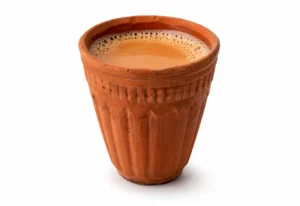
Tea is India’s most consumed packaged food product by household penetration — present in virtually every Indian home regardless of income or geography. The category is the highest-frequency repeat purchase in the entire food sector, with average Indian households buying packaged tea at least twice a month. Tata Tea (including Tata Tea Gold and Tetley) and HUL’s Brooke Bond brands (Red Label, 3 Roses, Taaza) collectively hold over 65 percent of the organised packaged tea market.
The category is undergoing a significant bifurcation. At the mass end, CTC dust tea in Rs 10 to Rs 50 sachets continues to dominate rural and semi-urban India. At the premium end, leaf tea blends, green tea, herbal infusions, and functional teas (immunity, sleep, digestion) are growing at 15 to 20 percent annually — significantly faster than the overall category — driven by urban health-conscious consumers. New-age D2C brands including Vahdam Teas, Teabox, and Haki are building internationally scaled businesses on India’s premium tea story.
Innovation Gap and Opportunity
The largest underserved segment is probiotic and functional tea blends at the Rs 150 to Rs 350 price point for a monthly supply. Most products in this space are either overpriced premium imports or mass-market products with no functional positioning. An Indian brand that combines authentic regional tea sourcing with credible functional nutrition claims (adaptogens, prebiotics, Ayurvedic herbs) is targeting a clear gap.
#2 — Instant Noodles | Market Size: Rs 5,800 crore+ | Growth (CAGR): 11–13% CAGR
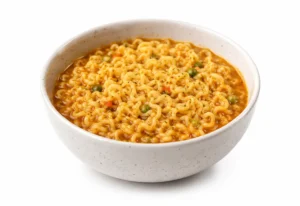
Maggi’s return in 2016 after the FSSAI-mandated recall is one of the most studied brand rehabilitation stories in Indian consumer marketing. It demonstrated something fundamental about India’s relationship with instant noodles: the product had become a cultural touchstone that no competitor had managed to dislodge despite the category vacuum created by the ban. Nestle Maggi commands approximately 60 percent of the instant noodle market as of 2025.
Yippee (ITC), Top Ramen (Nissin), and Wai Wai have built meaningful challenger positions. The category has expanded beyond the original masala variant into oats noodles, multigrain noodles, vegetable-fortified variants, and high-protein positioning, reflecting the health trend reshaping consumer preferences across packaged food. Consumption is growing fastest among students and working professionals in Tier 2 and Tier 3 cities, where quick-commerce delivery is bringing modern trade-accessible products into previously underserved markets.
Innovation Gap and Opportunity
High-protein instant noodles delivering 15+ grams of protein per serving — using soy, chickpea, or pea protein bases — in Indian flavour profiles represent the most commercially validated gap. The format works for gym-going consumers who eat instant noodles out of convenience but feel guilty about the nutritional profile of the existing options. Several brands have attempted this; none have achieved mass-market scale due to texture limitations.
#3 — Edible Oils | Market Size: Rs 1,80,000 crore+ | Growth (CAGR): 5–7% CAGR
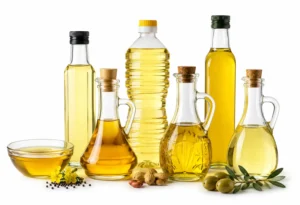
Edible oils represent the largest food category by value in India, reflecting the oil-intensive cooking traditions of virtually every regional cuisine. Sunflower oil, refined soybean oil, groundnut oil, mustard oil, and rice bran oil together account for the overwhelming majority of volume, with significant regional variation — mustard oil dominates in eastern and northern India, coconut oil in coastal and southern regions, and sunflower oil across the urban mainstream.
The premium segment of the edible oil market — cold-pressed oils, extra virgin coconut oil, organic cold-pressed groundnut oil, and A2 ghee — is growing at 20 to 25 percent annually as urban health-conscious consumers move away from refined oils. Brands like Forest Essentials (culinary oils), Anveshan, and Conscious Food are building D2C businesses at Rs 800 to Rs 2,500 per liter that would have been commercially unthinkable a decade ago. Adani Wilmar’s Fortune brand leads the mass market, with Marico’s Saffola occupying the health-positioned middle tier.
Innovation Gap and Opportunity
Traceable, single-origin cold-pressed oils with documented sourcing — groundnut oil from specific Rajasthan farms, coconut oil from certified Kerala growers — represent an under-explored positioning at the Rs 400 to Rs 800 per liter price point. Most cold-pressed oil brands either go ultra-premium (Rs 1,500+) or compete on price. The mid-premium segment is thin.
#4 — Packaged Biscuits and Cookies | Market Size: Rs 45,000 crore+ | Growth (CAGR): 8–10% CAGR
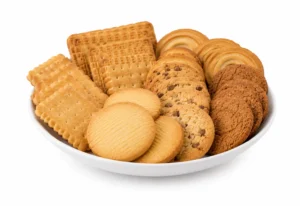
India is the world’s third-largest biscuit market and the category is growing with particular strength in rural India, where packaged biscuits function as a low-cost meal supplement rather than a snack. Parle-G remains the world’s largest-selling biscuit brand by volume, with an estimated 100 million packs sold daily across India. Britannia (Good Day, Marie Gold, NutriChoice), ITC (Sunfeast), and Mondelez (Oreo) are the other major players in the organised segment.
The category is bifurcating sharply. Mass-market biscuits at Rs 5 to Rs 20 are growing modestly in volume through rural distribution expansion. The premium segment — high-protein cookies, gluten-free biscuits, oats-based digestives, dark chocolate chip cookies — is growing at 18 to 25 percent annually from a smaller base. D2C brands including The Whole Truth, Early Foods, and Nourish Organics have built meaningful businesses in the better-for-you biscuit segment, demonstrating that consumers are willing to pay Rs 150 to Rs 400 for a pack of cookies that carries credible nutritional credentials.
Innovation Gap and Opportunity
Millet-based biscuits with genuine flavour quality (ragi chocolate chip cookies, jowar snack crackers with cheese) at the Rs 80 to Rs 150 price point represent the largest accessible gap. Most millet biscuits in the market today prioritise the health claim over the eating experience, creating a persistent consumer satisfaction problem that depresses repeat purchase rates.
#5 — Basmati and Packaged Rice | Market Size: Rs 30,000 crore+ | Growth (CAGR): 6–8% CAGR
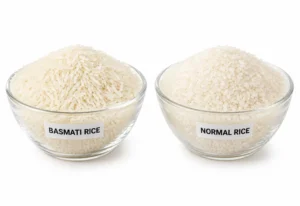
Rice is the dietary staple for over 600 million Indians. The transition from unbranded loose rice to packaged branded rice has been one of the most significant structural changes in Indian grocery retail over the past two decades, driven by food safety concerns, quality consistency expectations, and the growth of modern trade. India Gate (KRBL), Daawat (LT Foods), Kohinoor, and Lal Qilla are the dominant brands in the Basmati premium segment.
The non-Basmati packaged rice segment — Sona Masoori, Ponni, Gobindobhog, Indrayani — is less organised but growing as regional cuisine identity drives consumer preference for specific regional varieties. Fortune Rice (Adani Wilmar) and KRBL’s India Gate Tibar lead the accessible premium segment. The category’s next growth frontier is functional fortified rice — government mandated iron-fortified rice is creating both an institutional market and consumer awareness of nutritional enhancement in a staple product.
Innovation Gap and Opportunity
Ready-to-cook parboiled rice pouches with integrated seasoning sachets — targeting the urban professional who wants to cook rice without measuring or monitoring — is a format that has worked commercially in Southeast Asia and has no meaningful branded execution in India yet. Cooking time reduction (parboiled varieties cooking in 5 to 8 minutes) is the functional benefit; portioning convenience is the secondary appeal.
#6 — Packaged Snacks and Namkeen | Market Size: Rs 50,000 crore+ | Growth (CAGR): 10–12% CAGR
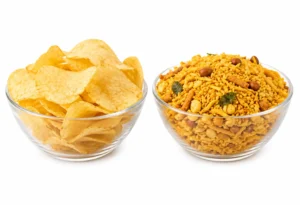
The Indian snack market is one of the largest and most diverse packaged food categories in the world. Haldiram’s leads the namkeen and traditional snack segment with an estimated Rs 12,000 to Rs 15,000 crore in annual revenue — making it the largest Indian food brand by domestic revenue. ITC’s Bingo and Lays (PepsiCo) dominate the western-style chip and puff segment. The category spans Rs 5 roadside packets to Rs 800 premium artisan snack boxes.
The fastest-growing sub-segments in 2025 to 2026 are: high-protein snacks (peanut protein bars, roasted chickpea mixes, soy crisps), baked and air-fried alternatives to traditional fried snacks, and regional specialty namkeen in premium packaging (Bikaner’s bhujiyas, Indori poha mixture, Chennai’s murukku in modern D2C format). The Rs 30 to Rs 150 per unit price point is where the most active innovation is occurring, as brands target the quality-conscious urban snacker who grew up eating regional varieties and wants branded consistency without sacrificing authenticity.
Innovation Gap and Opportunity
Nutritionally transparent snack packs — where the brand is built on radical ingredient honesty (exact protein per serve, calorie count, sourcing details) rather than general wellness claims — are growing rapidly in the US and are beginning to emerge in India through brands like The Whole Truth. The format works best with physically small, high-margin snack packs distributed primarily through quick-commerce and D2C.
#7 — Ready-to-Eat Meals | Market Size: Rs 9,000 crore+ | Growth (CAGR): 18–22% CAGR
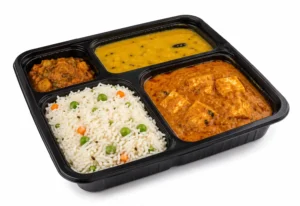
India’s RTE meals category is the fastest-growing food segment among the top 10, driven by the structural factors described in detail in the RTE product development guide: dual-income households, urban migration, nuclear family formation, and quick-commerce infrastructure expansion. MTR Foods (owned by Norwegian conglomerate Orkla) leads the branded segment with products across retort curries, instant mixes, and breakfast ranges. ITC’s Kitchens of India and Gits Foods complete the top three.
The category’s geography of growth is expanding rapidly. In 2021, RTE meal consumption was concentrated in the top 8 Indian cities. By 2025, significant volume is being generated in cities of 5 to 20 lakh population — Mysore, Nashik, Rajkot, Bhubaneswar — as quick-commerce platforms extend delivery networks and D2C brands reach consumers directly without requiring physical retail presence.
Innovation Gap and Opportunity
Regional Indian RTE meals with provenance-based positioning remain largely underserved. Products that tell the story of a specific regional culinary tradition — Kashmiri dum aloo, Kerala fish curry, Chettinad kuzhambu — with authentic recipe credentials, single-origin ingredient sourcing, and clear preservative-free claims are consistently outperforming generic ‘Indian curry’ positioning in consumer research and early D2C sales data.
#8 — Dairy Products (Packaged) | Market Size: Rs 1,20,000 crore+ | Growth (CAGR): 12–14% CAGR
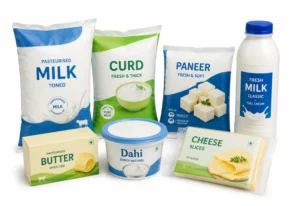
India is the world’s largest milk producer, and the packaged dairy sector is one of its most structurally important food industries. Amul, the cooperative brand managed by GCMMF, is the most distributed food brand in India with an estimated revenue of Rs 72,000 crore in 2024-25, covering milk, butter, cheese, paneer, ghee, ice cream, and milk-based beverages. Mother Dairy (NDDB) and Nestle India are the other major national players, with a diverse ecosystem of regional cooperative dairies operating strong positions in their respective states.
The premium dairy segment is where the most significant product innovation is occurring. A2 milk and ghee from indigenous cow breeds, probiotic dahi and kefir, plant-based dairy alternatives (oat milk, almond milk, coconut milk), and artisan cheese from Indian cheese makers are all growing at 20 to 35 percent annually. Startup brands like Akshayakalpa Organics, Country Delight, and Sid’s Farm have built Rs 100 to Rs 500 crore businesses on premium dairy credentials delivered directly to consumer homes.
Innovation Gap and Opportunity
High-protein curd and yogurt — positioning on 15+ grams of protein per 200ml serving rather than probiotic benefits — is a sub-category that has worked commercially in Europe and the US (Skyr, Icelandic-style yogurt) and has no established Indian brand. The functional positioning works for the fitness consumer who currently buys Greek yogurt at Rs 80 to Rs 120 for a small cup.
#9 — Spices and Masala | Market Size: Rs 55,000 crore+ | Growth (CAGR): 9–11% CAGR
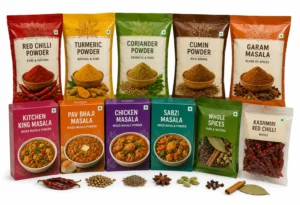
India is the world’s largest producer, consumer, and exporter of spices, producing 75 of the 109 varieties traded globally. The organised branded spice market — where products are cleaned, processed, packaged, and sold under a brand name with FSSAI certification — is dominated by MDH, Everest, and Catch. Combined, these three brands hold approximately 55 to 60 percent of the organised segment. The remaining 40 to 45 percent is fragmented across regional brands and unorganised loose spice sellers.
The spice market is bifurcating between commodity blends and premium specialty products. At the premium end, organic single-origin spices, cold-pressed essential oils for cooking, chef-created signature masala blends, and regional specialty powders (Kashmiri mirch with genuine DOP designation, Coorg pepper) are growing at 25 to 30 percent annually. Export demand for Indian spices reached record levels in 2024, with the US, UK, Middle East, and Southeast Asia being the primary destination markets for both bulk commodity spices and premium branded exports.
Innovation Gap and Opportunity
Single-estate, harvest-dated spices — sold with provenance documentation, optimal freshness guidance, and direct sourcing stories from specific farm regions — exist as a product concept in Indian artisan food communities but have not been built into a nationally distributed brand. The model succeeds with single-origin coffee and tea; spices represent a larger and more frequently consumed product category with the same provenance storytelling potential.
#10 — Health Drinks and Malt Beverages | Market Size: Rs 8,000 crore+ | Growth (CAGR): 7–9% CAGR
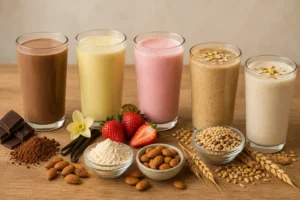
The health drink category — dominated historically by Horlicks (now owned by Unilever India), Complan (Zydus Wellness), and Bournvita (Mondelez) — is under significant pressure from two directions simultaneously. FSSAI regulatory scrutiny of high-sugar ‘health drink’ products has led to labelling changes and consumer scrutiny. And a new generation of functional nutrition products is directly competing for the same consumer occasion — energy, nutrition support, recovery — with more credible ingredient profiles.
The established brands remain large by revenue but are growing slowly or declining in urban markets. The growth is in adjacent categories: plant protein powders, adaptogen-based energy drinks, probiotic lassi for children, and fortified oat-based drinks. Brands that have moved quickly into these adjacent spaces — Yoga Bar Meal Replacement, Oziva Plant Protein, Kapiva Daily Greens — are demonstrating that the underlying consumer need (convenient nutritional supplementation through a drink) is durable even as the specific product formats evolve.
Innovation Gap and Opportunity
Children’s nutrition drinks made from whole food ingredients — without refined sugar, artificial colours, or flavours — in formats that children actually like (chocolate, mango, strawberry) represent a gap that anxious urban parents are actively searching for. Most products in this space either sacrifice taste for nutrition or nutrition for taste; the formulation challenge of doing both is real but soluble.
Emerging Categories Worth Watching Beyond the Top 10
| Emerging Category | Market Size (2026 Estimate) | Growth Rate | Key Consumer Driver | Primary Opportunity |
| Protein Supplements (Whey, Plant) | Rs 8,000 crore+ | 25–30% | Fitness culture expansion to Tier 2 cities | Affordable Indian-flavour protein products |
| Kombucha and Probiotic Beverages | Rs 500 crore (fast growing) | 35–45% | Gut health awareness post-COVID | Regional flavour variants at lower price points |
| Plant-Based Meat Alternatives | Rs 500 crore | 40–50% | Flexitarian dietary shifts in metros | Indian cooking-compatible textures and spice profiles |
| Freeze-Dried Snacks | Rs 200 crore (nascent) | 30–40% | Premium snack demand; airline / travel channel | Domestic fruit and vegetable sourcing at scale |
| Functional Honey and Natural Sweeteners | Rs 3,000 crore+ | 20–25% | Sugar reduction trend; Ayurvedic positioning | Raw unprocessed honey with region-specific variety differentiation |
What the Top 10 Best Foods Tell Us About Indian Consumer Behaviour
Across all ten categories, three consumer behaviour patterns repeat consistently and are worth understanding for anyone building a food brand in India.
The first is the primacy of trust. Indian consumers, particularly in staple food categories, demonstrate extraordinary brand loyalty once trust is established — and extraordinary caution about switching when trust is established elsewhere. Parle-G, Maggi, and Amul are not winning on product superiority alone. They are winning on decades of consistent quality, familiar taste profiles, and reliable availability. New brands must earn trust explicitly, through ingredient transparency, credible sourcing, and consistent sensory experience.
The second pattern is the simultaneous operation of two entirely different consumer markets within the same category. The mass-market buyer in each category is optimizing for price and availability. The premium buyer is optimizing for quality, story, and identity alignment. Most categories have well-established mass brands and a thin or underdeveloped premium tier — which is precisely where most new food brand opportunities exist.
The third pattern is the acceleration of quick-commerce as a discovery channel. Products that were previously discovered only in modern trade or through word-of-mouth are now being found through Blinkit and Zepto app browsing, Instagram advertising, and influencer content. This has fundamentally changed the distribution economics for new brands: the minimum viable distribution network for a new food brand in India in 2026 is one or two quick-commerce platform listings and a D2C website — not a pan-India distributor network.
For Food Brand Builders: How to Compete in These Categories
Entering any of the top 10 categories against established leaders requires a clear point of difference on a dimension that the market leader cannot credibly claim. MDH and Everest cannot credibly claim single-origin provenance because their scale requires blending from hundreds of sources. Maggi cannot credibly claim high protein because the product’s formulation economics make it impossible. Parle-G cannot credibly claim artisan craftsmanship because the brand’s power comes from industrial scale and price accessibility.
The pattern that works consistently for new food brands in India is finding the sub-segment within a large category where the market leader’s strength is also their constraint, and building a focused product around exactly that sub-segment. Flavor Catalystz works with brands at this stage — product strategy, formulation, and market positioning — to build propositions that are structurally differentiated rather than incrementally better.
The opportunity across all ten categories is real. India’s food market rewards brands that understand the specific consumer they are serving, build a product formulation that genuinely solves that consumer’s need, and show up consistently enough to earn repeat purchases. That is where the real growth happens. For entrepreneurs planning to start a food business, working with experienced food product development partners like Flavor Catalystz can help streamline formulation, packaging, scalability, and market readiness from the very beginning.
Launch A Best-Seller Food Product
Flavor Catalystz helps startups and FMCG brands develop high-demand food products with expert formulation, FSSAI compliance, packaging, and pilot manufacturing support.
Frequently Asked Questions
What are the best selling food products in India in 2026?
The best selling food products in India in 2026 include instant noodles, packaged snacks, biscuits, dairy products, edible oils, ready-to-eat meals, spices, and health drinks. These categories continue to grow due to convenience, urban lifestyles, and rising demand for packaged foods.
Which packaged food products are most consumed in India?
Packaged snacks, biscuits, instant noodles, dairy products, namkeen, and beverages are among the most consumed packaged food products in India. High affordability, long shelf life, and easy availability drive their demand across urban and rural markets.
Which food category has the highest demand in India?
The packaged FMCG food category currently has the highest demand in India, especially snacks, dairy, ready-to-eat meals, and beverages. Consumer preference for convenience and quick meals is rapidly increasing market growth.
Why are instant noodles so popular in India?
Instant noodles are popular in India because they are affordable, quick to prepare, easily available, and preferred by students, working professionals, and families. New flavors and healthier variants are also increasing their market demand.
Which dairy products sell the most in India?
Milk, curd, paneer, butter, cheese, and flavored dairy beverages are the top selling dairy products in India. Rising protein consumption and demand for packaged dairy products continue to boost sales nationwide.
What are the most profitable food products to sell in India?
Snacks, spices, ready-to-eat foods, health drinks, packaged namkeen, and bakery products are among the most profitable food products in India due to strong consumer demand, repeat purchases, and scalable margins.
Which ready-to-eat foods are trending in India?
Ready-to-eat meals like instant pasta, frozen snacks, microwave curries, protein meals, and cup noodles are trending in India. Convenience-focused consumers and quick commerce platforms are driving this growth rapidly.
What factors make a food product best selling in India?
Taste, affordability, branding, packaging, convenience, shelf life, and strong distribution are the key factors that make a food product best selling in India. Consumer trust and online availability also play a major role in increasing sales.