May 2026 · 13 min read
India’s relationship with coffee is older, deeper, and more complex than most people realize. The story begins in the 17th century when Baba Budan smuggled seven coffee beans from Yemen through the port of Mocha and planted them in the Chandragiri hills of Karnataka — an act that launched what would eventually become one of Asia’s most important coffee-growing nations.
Today, India ranks 6th in global coffee production. Karnataka, Kerala, and Tamil Nadu together produce over 90% of the country’s beans. Indian coffee is distinctive: grown under shade in biodiverse forest ecosystems, it tends to be lower in acidity and richer in body than many East African or Latin American origins. India produces both Arabica and Robusta, with the estate-grown varieties from Coorg, Chikmagalur, and Araku Valley earning strong global reputations.
Start a coffe BRAND
Launch Your Own Coffe Brand in India
From sourcing best coffee beans to private label manufacturing, packaging, and launch support, we help you build a market ready coffee brand globally.
But India’s coffee consumption culture has transformed dramatically in the past decade. In 2026, the Indian coffee market sees three distinct segments operating simultaneously: the massive instant coffee market led by decades-old brands, a fast-growing filter and ground coffee segment, and a premium specialty coffee wave driven by artisanal roasters, cafe culture, and urban millennials willing to pay for quality and story. This guide covers the best brands across all three.
India’s Coffee Geography: Why Origin Matters
| Region | Key Characteristics | Bean Type | Flavor Profile |
| Coorg (Kodagu), Karnataka | High altitude (900-1500m), heavy rainfall, shade-grown | Arabica & Robusta | Bright acidity, fruity notes, clean finish |
| Chikmagalur, Karnataka | Historic coffee heartland, diverse microclimates | Arabica dominant | Rich, full-bodied, chocolatey, mild acidity |
| Araku Valley, Andhra Pradesh | Tribal-grown, high altitude (900-1100m), organic-focused | Arabica | Floral, delicate, light-medium body |
| Wayanad, Kerala | Lush hills, organic-friendly terrain | Robusta dominant | Bold, earthy, strong — ideal for espresso blends |
| Nilgiri, Tamil Nadu | High altitude, cool mist, diverse crops | Arabica & Robusta | Winey character, spicy notes, medium body |
Top 10 Coffee Brands in India 2026: Overview
| Rank | Brand | Segment | Best For | Approx. Price Range |
| 1 | Nescafe (Nestle India) | Instant Coffee | Quick, everyday convenience | Rs. 85 – Rs. 450 |
| 2 | Bru (HUL) | Instant / Filter Blend | South Indian filter preference + quick cups | Rs. 75 – Rs. 380 |
| 3 | Blue Tokai Coffee Roasters | Specialty Roasted Beans/Ground | Single-origin home brewing enthusiasts | Rs. 400 – Rs. 1,600 / 250g |
| 4 | Tata Coffee (Tata Consumer) | Filter Ground / Premium Instant | Quality-conscious everyday drinkers | Rs. 180 – Rs. 700 |
| 5 | Cafe Coffee Day (CCD) | Retail Ground / Cafe Chain | Urban cafe-style experience | Rs. 200 – Rs. 900 |
| 6 | Sleepy Owl Coffee | Cold Brew / Specialty RTD | Ready-to-drink cold brew market | Rs. 250 – Rs. 700 (pack) |
| 7 | Rage Coffee | Functional Instant Coffee | Youth, health, energy segment | Rs. 300 – Rs. 900 |
| 8 | Seven Beans Coffee Co. | Specialty Roasted / Single Origin | South India specialty coffee drinkers | Rs. 350 – Rs. 1,200 / 250g |
| 9 | Araku Coffee | Organic Single Origin Arabica | Premium, story-driven, international quality | Rs. 600 – Rs. 2,500 / 250g |
| 10 | Continental Coffee (CCL Products) | Instant / Institutional Grade | Bulk buyers, HORECA, value-focused | Rs. 200 – Rs. 1,200 / kg |
Brand Profiles
1. Nescafe
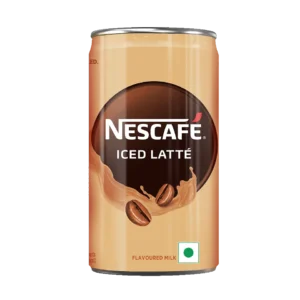
Nescafe is India’s most widely recognized one of the best coffee brand and the household name for instant coffee. Made by Nestle India, Nescafe Classic remains the dominant product by volume — it is in tens of millions of Indian homes, offices, canteens, and vending machines. The brand’s appeal lies in its absolute convenience: dissolves instantly in hot water or milk, consistent taste every time, widely available at every price point.
Nescafe also produces Gold (a smoother, more premium instant blend), Sunrise (chicory-blended for the South Indian market), and a range of flavored instant coffees targeting younger consumers. For buyers who prioritize convenience and budget, Nescafe’s quality-to-price ratio is hard to beat.
| Attribute | Details |
| Parent Company | Nestle India Ltd |
| Key Products | Nescafe Classic, Nescafe Gold, Nescafe Sunrise |
| Coffee Type | Instant (spray-dried and freeze-dried) |
| Bean Sourcing | South India, international blends |
| Availability | Pan-India, all retail and e-commerce formats |
| Best Use | Quick everyday cups, office use, travel |
2. Bru

Bru, made by Hindustan Unilever, is the other giant of India’s instant coffee market and has particularly deep roots in South India. Bru Gold and Bru Green Label are well-known, but the brand’s strongest product for South Indian households is its chicory-blended instant format — a nod to the filter coffee tradition where chicory has been a standard additive for over a century.
Bru’s key strength is its understanding of South Indian filter coffee culture within an instant format. It also operates retail outlets selling its packaged products and offers a diverse portfolio spanning pure instant, chicory blends, and recent premium variants. For families that grew up on filter kaapi and want something faster in busy mornings, Bru bridges that gap.
3. Blue Tokai Coffee Roasters

Blue Tokai is the brand most associated with the specialty coffee movement in urban India. Founded in 2013 in Delhi, Blue Tokai sources directly from Indian estates — including well-known farms in Coorg, Chikmagalur, Attikan, and Nagri — and roasts its beans in small batches at its Delhi and Mumbai roasteries. The company emphasizes freshness: roast dates are printed on all packaging.
Blue Tokai’s catalog includes single-origin light and medium roasts, espresso blends, and seasonal offerings. It has cafes in Delhi, Mumbai, Bengaluru, and Hyderabad that function as both retail and experience points. For home brewing enthusiasts exploring V60 pour-over, AeroPress, French Press, or espresso machines, Blue Tokai is the reference standard in the Indian premium coffee space.
The brand is also notable for food product development applications — its documented bean sourcing, roast profiles, and flavor notes make it a reference point for beverage developers working on coffee-based ready-to-drink or functional food products.
4. Tata Coffee
Tata Coffee, now under Tata Consumer Products, has one of India’s most extensive coffee plantation holdings. Its estates in Coorg and Chikmagalur produce some of the country’s best Arabica and Robusta beans. Tata Coffee’s retail products include Eight O’Clock Coffee (for international markets), Tata Coffee Grand (a premium instant with a strong bean-based composition), and various filter coffee blends.
Tata Coffee Grand in particular has attracted positive attention for delivering a noticeably better flavor than standard instant coffees, with its aroma-lock technology cited as a key differentiator. It is a strong mid-market premium option for households upgrading from basic instant to something more substantive without moving to full grinding and brewing equipment.
5. Cafe Coffee Day (CCD)
Cafe Coffee Day pioneered India’s organized cafe culture when it opened its first outlet in Bengaluru in 1996. The brand deserves its place on this list not just as a cafe chain but as a retail coffee brand — it sells its ground coffees and flavored instant products through its stores and online. CCD sources from its own estates in Karnataka, which gives it vertical integration unusual for a cafe brand.
For consumers who want a cafe-quality experience at home without the specialty coffee learning curve, CCD’s packaged ground coffees — particularly its classic South Indian filter blend — deliver reliably. The cafe business has had turbulence following the passing of its founder, but the retail coffee products remain credible.
6. Sleepy Owl Coffee

Sleepy Owl entered the market in 2016 with a singular focus: cold brew coffee that is genuinely easy to make at home. Its brew bag format (pour cold water over a bag, refrigerate for 12 hours, pull out the bag) made cold brew accessible for the first time to Indian consumers without requiring any specialized equipment. The brand has since expanded into instant cold brew, ready-to-drink formats, and hot brew bags.
Sleepy Owl is the leading brand in India’s cold brew and ready-to-drink coffee segment — a market that has grown rapidly with urban millennials who want coffee convenience without compromise. It is widely available online and in urban modern retail.
7. Rage Coffee
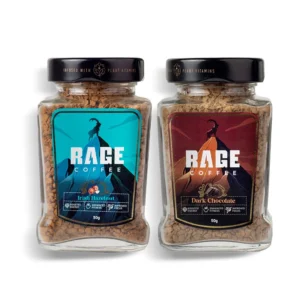
Rage Coffee has built a distinctive identity by combining quality Indian coffee with functional additions — vitamins, antioxidants, and natural energy-boosting ingredients. The brand is heavily marketed toward the 18-35 demographic and leverages strong influencer presence and its association with cricketer Virat Kohli for visibility.
Its products are primarily instant but go beyond standard instant coffee with its fortified formulation angle. While its coffee sourcing does not match the depth of specialty roasters, it fills a specific niche: young urban consumers who want their coffee to do more, at a price point that feels premium but accessible.
8. Seven Beans Coffee Company
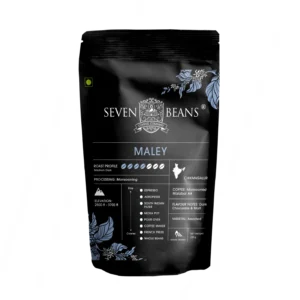
Seven Beans is a Bengaluru-based specialty roaster that has built a quiet but strong reputation, particularly among cafe professionals and home brewers in South India. It sources from several South Indian estates and offers both single-origin and blended roasts with clear tasting notes. The brand is less prominent nationally but is a significant name in the specialty coffee community.
9. Araku Coffee
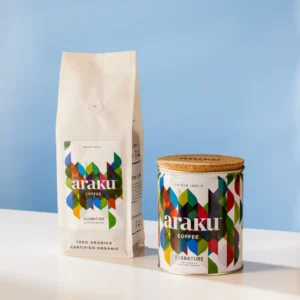
Araku Coffee comes from the Araku Valley in Andhra Pradesh, grown by indigenous tribal farming communities at elevations between 900 and 1100 meters. The coffee is certified organic and has received international recognition — Araku Arabica won a Michelin Star for coffee at the Paris Coffee Show. The brand’s entire supply chain involves tribal growers under a regenerative agriculture model, making it one of India’s most ethically distinctive coffee origins.
Araku Coffee is premium-priced and sold through select retail points, its Bengaluru and Paris cafes, and online. For consumers interested in origin-forward, impact-driven coffee purchasing, it represents a genuinely different kind of brand story.
10. Continental Coffee (CCL Products)
CCL Products, the parent of Continental Coffee, is one of India’s largest coffee processors and one of the world’s largest manufacturers of instant coffee by volume. The brand is not glamorous but it is significant — it processes and supplies instant coffee to brands across 90+ countries and serves the institutional, HORECA, and bulk buyer segment in India extensively. Continental Coffee’s retail instant products are solid quality at competitive prices, and the brand’s manufacturing expertise is used by many other companies as a contract production partner.
Choosing Coffee by Brewing Method
| Brewing Method | Best Coffee Type | Recommended Brands |
| Instant / No equipment | Spray-dried or freeze-dried instant | Nescafe, Bru, Tata Coffee Grand |
| South Indian drip filter | Medium-dark roast filter blend with chicory option | Bru, CCD, Seven Beans |
| French Press | Coarsely ground medium roast | Blue Tokai, Tata Coffee, Seven Beans |
| Espresso machine | Finely ground, high-density roast | Blue Tokai, Seven Beans, Araku |
| Cold brew at home | Coarsely ground medium-light | Sleepy Owl, Blue Tokai |
| Pour-over (V60/Chemex) | Single-origin light roast, finely ground | Blue Tokai, Araku |
| No fuss / ready to drink | RTD or cold brew format | Sleepy Owl, Rage Coffee |
India Coffee Market: Numbers That Matter in 2026
| Metric | Data Point |
| India’s Coffee Production (2024-25) | ~3.8 lakh metric tons (Coffee Board of India estimate) |
| India’s Global Coffee Production Rank | 6th globally |
| Key Growing States | Karnataka (70%), Kerala (20%), Tamil Nadu (8%) |
| Instant Coffee Market Share | ~65-70% of organized packaged coffee market |
| Specialty Coffee Market Growth | ~25-30% CAGR (2022-2026) |
| Cold Brew / RTD Coffee Segment | Fastest growing sub-segment; Rs. 150+ crore (2026 est.) |
| India Coffee Export Value | ~USD 800 million annually |
| Major Export Destinations | Italy, Germany, Russia, Belgium, USA |
What to Look for When Buying Coffee in India
With a market this diverse, a few buying principles help you cut through the noise.
- Roast Date vs. Best Before: For ground and whole bean coffee, the roast date matters far more than the ‘best before’ date. Coffee begins losing its flavor from 2-4 weeks post-roast. Premium brands like Blue Tokai print roast dates prominently. Generic brands only show best-before dates.
- Chicory Content: Many South Indian brands blend chicory with coffee. This is a legitimate traditional practice that increases body and strength. However, for specialty brewing, pure 100% coffee is preferred. Check the ingredient list if this matters to you.
- Arabica vs. Robusta: Arabica is smoother, more aromatic, and lower in caffeine. Robusta is stronger, more bitter, higher in caffeine, and creates more crema in espresso. Many good blends combine both.
- Freeze-dried vs. Spray-dried Instant: Freeze-dried instant coffee (like Nescafe Gold) preserves more flavor than spray-dried. If you drink instant coffee regularly, the upgrade to freeze-dried is often worth it.
- Certifications: For health-conscious buyers, organic certification (USDA, India Organic) matters. Fair Trade certification indicates better farmer compensation. For the specialty segment, Cup of Excellence scores are the most credible quality indicator.
Frequently Asked Questions
Which is the best coffee brand in India in 2026?
The answer depends on your use case. For instant coffee convenience, Nescafe Classic and Tata Coffee Grand lead. For specialty home brewing with single-origin beans and fresh-roasted quality, Blue Tokai is the clear standard. For cold brew convenience, Sleepy Owl. For premium origin-driven coffee with social impact, Araku Coffee is exceptional.
Is Indian coffee good quality compared to international origins?
Indian coffee, particularly estate-grown Arabica from Coorg, Chikmagalur, and Araku Valley, is internationally respected. Araku Arabica has won recognition at the Paris Coffee Show. Indian coffee tends to be lower in acidity, fuller in body, and slightly earthy compared to East African or Central American origins. It is especially well-suited for espresso blends and South Indian filter coffee preparations.
What is the difference between Arabica and Robusta coffee?
Arabica beans grow at higher altitudes, are more complex in flavor (fruity, floral, chocolatey), lower in caffeine, and more expensive. Robusta grows at lower altitudes, has a stronger, more bitter flavor profile, is higher in caffeine, and produces better crema for espresso. Most Indian blends and South Indian filter coffees combine both. Single-origin specialty coffees in India are almost always Arabica.
Is Blue Tokai available outside Delhi and Mumbai?
Blue Tokai ships across India through its website and is available on Amazon, Flipkart, and Swiggy Instamart in major cities. Its cafe presence (for in-person experience) is concentrated in Delhi, Mumbai, Bengaluru, and Hyderabad. For most Indian cities, online ordering from the brand’s website is the most reliable way to access fresh-roasted stock.
What is South Indian filter coffee and which brand is best for it?
South Indian filter coffee (kaapi) is made by brewing strong decoction through a traditional metal drip filter using a blend of dark-roasted coffee powder and chicory, then combining with hot frothed milk in a specific ratio. Bru, Cothas Coffee, and Leo Coffee are traditional South Indian brands with loyal followings in Tamil Nadu, Karnataka, and Kerala. CCD’s South Indian filter blend is also widely used.
Which coffee brand is best for an espresso machine?
For espresso machines, you need a fine grind, high-density roast that produces crema and can withstand high pressure extraction. Blue Tokai’s espresso blends (Attikan Estate Espresso, Wien Blend) and Seven Beans’ espresso-focused roasts are the top domestic options. For budget-friendly espresso, Tata Coffee’s premium ground range also performs reasonably well.
Are functional coffees like Rage Coffee worth it?
Functional coffees that add vitamins, adaptogens, or protein can offer genuine benefits if the additive levels are meaningful and not just marketing claims. Rage Coffee’s formulation does include vitamins at noted quantities. Whether the specific benefit justifies the price premium over standard instant coffee depends on your personal health goals. For pure coffee flavor and quality, specialty roasters remain superior.