May 2026 · 13 min read
The energy bar market in India has undergone a fundamental change over the past five years. What was once a niche product sold primarily in gyms and specialty health stores is now available on supermarket shelves, quick commerce apps, and petrol station kiosks. By 2026, the Indian energy and protein bar segment forms part of a broader functional snacking market that analysts estimate at over Rs 6,000 crore, with double-digit annual growth.
This guide evaluates the top 10 energy bars available in India in 2026, including insights into food product development. The evaluation considers five criteria: nutritional value (ingredients quality, macronutrient balance, sugar content), taste and texture, energy delivery (sustained vs. spike-and-crash), value for money (price per bar relative to nutritional content), and availability across online and offline retail.
Launch a Energy Bar
Launch a Best Selling Energy Bar 2026
Launch a best selling energy bar with expert formulation, clean-label ingredients, shelf-life testing, FSSAI compliance, flavour development, and scalable manufacturing for modern Indian consumers.
Before diving into the list, it is worth clarifying the difference between an energy bar and a protein bar, because the Indian market uses these terms interchangeably, which creates confusion. An energy bar is primarily formulated to deliver quick and sustained energy through carbohydrates, with moderate protein (usually 5g to 12g per bar). A protein bar is primarily designed to deliver higher protein content (15g to 30g per bar) and is more relevant for post-workout recovery or meal replacement. This list covers energy bars in the primary sense, though many products serve both purposes.
You May Also Like: Top 10 Protein Bars in India
What to Look for in an Energy Bar
Before comparing specific brands, understanding what separates a well-formulated energy bar from a confectionery product masquerading as health food is important.
- Sugar content: Most energy bars use some form of sugar, whether refined sugar, glucose, jaggery, honey, or dates. Under 12g of sugar per bar is a reasonable target. Any bar with high-fructose corn syrup or maltodextrin as a primary ingredient will deliver a short spike of energy followed by a crash.
- Carbohydrate quality: Look for complex carbohydrates from oats, whole grains, quinoa, or millets rather than simple sugars. Complex carbs release energy more slowly and sustain energy levels for longer.
- Fibre content: At least 3g of dietary fibre per bar is a good benchmark. Fibre slows glucose absorption and contributes to satiety.
- Protein source: Even in an energy bar, 5g to 10g of protein helps prevent energy crashes. Check whether the protein source is whole food-based (nuts, seeds, legumes) or protein isolate.
- Fat content and type: Healthy fats from nuts, seeds, and nut butters contribute to sustained energy. Avoid bars high in palm oil or hydrogenated vegetable fat.
- Ingredient list length: A shorter ingredient list with recognisable whole food ingredients is generally a marker of a better-quality product.
- Additives: Check for artificial preservatives, synthetic flavours, artificial colours, and emulsifiers. Avoid bars that claim to be natural but contain long lists of additives.
Top 10 Energy Bars in India 2026: Detailed Review
1. Yoga Bar (ITC) Multi-Grain Energy Bar
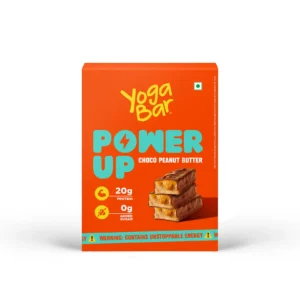
Yoga Bar remains the benchmark brand in the Indian energy bar market in 2026. The multi-grain variant, which uses a blend of oats, brown rice, corn flakes, and seeds, delivers a balanced macronutrient profile with approximately 140 to 160 calories, 18g of carbohydrates, and 5g of protein per bar. Sweetened primarily with jaggery and dates, it avoids refined sugar.
Since its acquisition by ITC, Yoga Bar has benefited from significantly expanded distribution. It is now widely available on Blinkit, Zepto, Swiggy Instamart, Amazon, and in major supermarket chains. Pricing at Rs 35 to Rs 45 per bar makes it accessible to a broad urban consumer base.
- Price range: Rs 35 to Rs 45 per bar
- Calories: Approximately 140 to 160
- Protein: 5g | Carbohydrates: 18g | Fibre: 3g
- Key ingredients: Oats, brown rice flakes, dates, jaggery, nuts
- Best for: Everyday snacking, pre-workout light fuel, busy professionals
2. True Elements Fruit and Nut Energy Bar
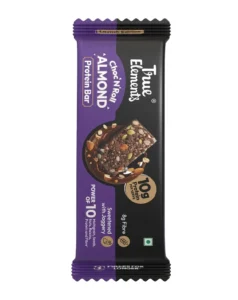
True Elements has built a loyal following in the clean-label health food segment. Its energy bars use dates and figs as the primary sweetener and binding agent, with a supporting cast of mixed nuts, seeds, and whole grain crisps. There are no preservatives, no artificial flavours, and no refined sugar.
The high fibre content (4g per bar) and the use of slow-releasing natural sugars from dates and figs make True Elements bars particularly well-suited for sustained energy during travel, hiking, or long work stretches. The texture is slightly denser and stickier than some competitors due to the date base, which is a matter of personal preference.
- Price range: Rs 40 to Rs 50 per bar
- Calories: Approximately 150 | Fibre: 4g | Protein: 5g
- Key ingredients: Dates, figs, mixed nuts, seeds, whole grain crisps
- Best for: Travel, hiking, sustained energy over 3 to 4 hours
3. MuscleBlaze Energy Bar
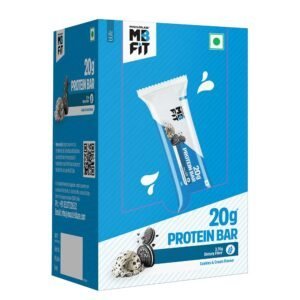
MuscleBlaze is a well-established name in the Indian sports nutrition market. Its energy bars are formulated specifically for athletes and gym-goers who need quick pre-workout fuel. The macronutrient split is skewed more toward carbohydrates than most bars on this list, which makes it a strong choice for fuelling high-intensity exercise sessions.
Available across D2C, Amazon, Flipkart, and sports nutrition retail, MuscleBlaze bars are designed to be consumed 20 to 30 minutes before training. The ingredient quality is generally reliable, and the brand’s established reputation in the Indian sports nutrition space gives consumers confidence in the product’s composition.
- Price range: Rs 50 to Rs 65 per bar
- Calories: Approximately 170 | Carbohydrates: 23g | Protein: 6g
- Key ingredients: Oats, whey protein, dark chocolate chips, nuts
- Best for: Pre-workout fuel, athletes, fitness enthusiasts
4. Mojo Bar (Dark Chocolate and Nuts)
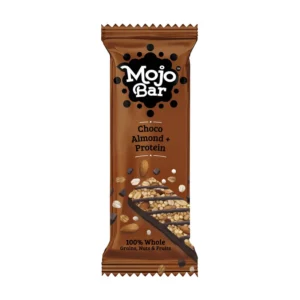
Mojo Bar occupies a strong position in the premium Indian energy bar segment with its flavour-first approach. The dark chocolate and nuts variant delivers a genuinely good eating experience, using Belgian dark chocolate and slow-roasted peanuts, making it one of the more enjoyable bars to consume without feeling like you are eating a health product out of obligation.
The ingredient list is kept reasonably short, with no artificial flavours or preservatives. Sugar content is on the higher end of the acceptable range at around 12g per bar, which is worth noting for consumers who are sugar-conscious. For those who want a tasty energy bar that does not sacrifice nutritional integrity completely, Mojo Bar is a strong choice.
- Price range: Rs 50 to Rs 65 per bar
- Calories: Approximately 180 | Sugar: Around 12g
- Best for: Snacking with taste priority, occasional energy boost
5. Eat Anytime Millet Energy Bar
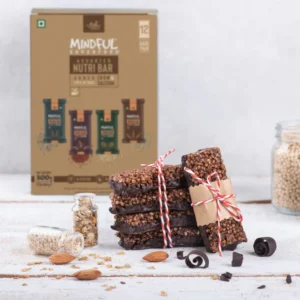
Eat Anytime has carved a distinct positioning by building energy bars around ancient Indian grains. The millet variant uses ragi (finger millet) as its key grain ingredient, supplemented with puffed rice, sesame seeds, and natural sweeteners. Ragi is one of India’s most nutritionally dense grains, with a higher calcium content than most cereals and a relatively low glycemic index.
The bar appeals to consumers looking for traditional Indian ingredients in a modern snacking format. The rising popularity of millets, accelerated by the Government of India’s International Year of Millets initiative in 2023, has given this type of product sustained tailwind in both urban health-conscious and rural-origin demographic groups.
- Price range: Rs 30 to Rs 45 per bar
- Key grain: Ragi (finger millet) | Also contains: puffed rice, sesame, jaggery
- Best for: Millet-conscious consumers, traditional ingredient preference
6. Phab Energy Bar
Phab Energy Bar is designed around the principle of low glycemic index snacking, aiming to provide sustained energy without blood sugar spikes. The formulation uses a combination of complex carbohydrates, dietary fibre, and protein to slow the rate of glucose absorption into the bloodstream.
Phab has positioned itself clearly in the weight management and diabetic-friendly snacking space, making it relevant for consumers who need energy bar nutrition without the metabolic consequences of high-sugar alternatives. The fudgy texture and no-added-sugar formulation make it one of the few Indian bars that succeeds on both nutritional and sensory grounds simultaneously.
- Price range: Rs 50 to Rs 70 per bar
- Sugar: No added sugar | GI: Low
- Best for: Diabetic-friendly snacking, weight management, sustained energy
7. Monsoon Harvest Protein Energy Bar
Monsoon Harvest takes a farm-to-bar approach, using ancient Indian superfoods and millets as the primary ingredients. The bars are gluten-free, made from five heritage millet varieties, and contain no synthetic colours, sweeteners, or preservatives. Each bar delivers 12g to 15g of protein, which is on the higher end for what is primarily positioned as an energy product.
This brand appeals strongly to clean-label consumers who want the assurance of simple, traceable ingredients. Its commitment to using heritage Indian grains is both a nutritional differentiator and a cultural positioning strategy.
- Price range: Rs 45 to Rs 60 per bar
- Protein: 12g to 15g | Made with: Jowar, bajra, ragi, foxtail millet, kodo millet
- Best for: Clean-label consumers, gluten-free diet, millet-based nutrition
8. The Whole Truth Energy Bar
The Whole Truth is built entirely around ingredient transparency. Every product from this brand displays a complete ingredient list on the front of the packaging with no marketing euphemisms or vague composite ingredient names. The energy bar variant uses dates, peanuts, oats, and chia seeds, with nothing artificial in the formulation.
No added sugar, no preservatives, no hidden ingredients. The brand became well-known after its appearance on Shark Tank India and has since expanded significantly through D2C and quick commerce channels. The product is not the lowest calorie bar on this list, as the nuts contribute healthy fat and calorie density, but every calorie is from a whole food source.
- Price range: Rs 60 to Rs 80 per bar
- Ingredients: Peanuts, dates, oats, chia seeds, cocoa (in chocolate variants)
- Best for: Ingredient-transparency-first consumers, clean snacking
9. RiteBite Max Protein Active Energy Bar
RiteBite is a reliable mass-market option in the Indian energy and protein bar space. The Active variant sits between a pure energy bar and a protein bar, delivering approximately 10g of protein alongside carbohydrates and dietary fibre. It is priced accessibly, making it one of the most practical everyday energy bars for students, office workers, and gym-goers who want a nutritional upgrade from conventional snacks without paying a premium price.
The ingredient quality is adequate though not exceptional. The bar includes some additives that more premium clean-label products avoid, but it passes the basic test of being a meaningfully better snack option than biscuits, chips, or chocolates at a similar or lower price.
- Price range: Rs 30 to Rs 50 per bar
- Protein: Around 10g | Good for: Budget-conscious nutritional snacking
- Best for: Students, office snacking, everyday budget use
10. GetMyMettle Energy Bar
GetMyMettle has built a strong reputation in the Indian fitness and health snacking community for making bars that are both nutritionally honest and genuinely tasty. The energy bar variant uses a crunchy granola and grain crisp base with visible nuts, seeds, and dried fruits.
The brand has positioned itself well across online channels, particularly Amazon and its own D2C website, and has received strong consumer ratings for taste consistency across its flavour range. The bar provides approximately 140 to 160 calories per serving with good fibre content and moderate protein, making it well-suited as a mid-morning or mid-afternoon snack.
- Price range: Rs 30 to Rs 45 per bar
- Calories: 140 to 160 | Contains: Granola, nuts, seeds, dried fruits
- Best for: Daily snacking, fitness enthusiasts, anyone needing a reliable mid-day energy source
Quick Comparison: Top 10 Energy Bars at a Glance
| Brand | Price (Approx.) | Calories | Key Strength | Best For |
| Yoga Bar | Rs 35 to Rs 45 | 140 to 160 | Distribution, clean label, accessibility | Everyday use |
| True Elements | Rs 40 to Rs 50 | ~150 | No preservatives, high fibre, natural sweeteners | Travel and hiking |
| MuscleBlaze | Rs 50 to Rs 65 | ~170 | Pre-workout carb profile, sports nutrition pedigree | Athletes |
| Mojo Bar | Rs 50 to Rs 65 | ~180 | Taste and texture, dark chocolate quality | Flavour-first snackers |
| Eat Anytime (Millet) | Rs 30 to Rs 45 | Moderate | Ragi-based, traditional grains, low cost | Millet preference |
| Phab | Rs 50 to Rs 70 | Moderate | No added sugar, low GI, fudgy texture | Diabetic-friendly |
| Monsoon Harvest | Rs 45 to Rs 60 | Moderate | Heritage millets, 12g to 15g protein, clean label | Gluten-free diet |
| The Whole Truth | Rs 60 to Rs 80 | Higher | 100% ingredient transparency, no additives | Clean label priority |
| RiteBite Max Protein | Rs 30 to Rs 50 | Moderate | Value pricing, accessible nutrition upgrade | Budget daily use |
| GetMyMettle | Rs 30 to Rs 45 | 140 to 160 | Taste consistency, strong online reviews | Consistent daily snacking |
Conclusion
The Indian energy bar market in 2026 gives consumers more genuinely good options than at any earlier point in the category’s history. Clean-label formulations using oats, millets, dates, and nuts are now accessible across price points from Rs 30 to Rs 80 per bar. The challenge is no longer finding a decent bar; it is identifying which bar best matches your specific energy needs, taste preferences, dietary goals, and budget.
For everyday snacking and general energy supplementation, Yoga Bar and GetMyMettle offer the best balance of quality and accessibility. For serious fitness applications, MuscleBlaze and The Whole Truth perform well. For millet-based and heritage grain options, Eat Anytime and Monsoon Harvest stand out. For those managing blood sugar, Phab delivers a consistent low-GI option.
As with any packaged food, reading the ingredient list and nutritional information before buying remains the most reliable guide to getting what you actually pay for.
Frequently Asked Questions
What is the difference between an energy bar and a protein bar?
An energy bar is primarily formulated to provide carbohydrate-based energy and usually contains 5g to 12g of protein. A protein bar is specifically designed to deliver higher protein content (15g to 30g per bar) for muscle recovery. Many Indian products blur this distinction in their marketing.
Are energy bars healthy?
Energy bars vary widely in quality. Bars made with whole grain oats, nuts, seeds, dates, and natural sweeteners are a legitimate and practical snack. Bars that primarily use refined sugar, glucose syrup, artificial flavours, and long additive lists offer minimal nutritional advantage over conventional confectionery.
Can I eat energy bars every day?
Yes, provided the bar you choose has a clean ingredient list, reasonable calorie content (under 200 calories for snack use), low added sugar, and adequate fibre and protein. Eating them as a replacement for whole food meals regularly is not recommended.
Which energy bar is best for weight loss in India?
For weight loss, prioritise bars with high fibre (3g or more), adequate protein (at least 8g), low added sugar (under 8g), and total calories under 180. Phab, The Whole Truth, and True Elements score well on these criteria.
Which energy bar is best for pre-workout?
For pre-workout use, a higher carbohydrate bar consumed 20 to 30 minutes before exercise works best. MuscleBlaze Energy Bar and Yoga Bar Multi-Grain are both suitable for this purpose.
Where can I buy energy bars in India?
All major brands are available on Amazon, Flipkart, Blinkit, Zepto, and Swiggy Instamart for quick delivery. Most are also stocked in supermarkets (Big Bazaar, DMart, Reliance Smart), sports nutrition stores, and the brands’ own D2C websites.
How much should I spend on an energy bar?
A price range of Rs 35 to Rs 65 per bar covers most of the quality options available in India. Going below Rs 30 usually means compromising on ingredient quality. Bars above Rs 80 are typically premium clean-label or speciality nutrition products.