May 2026 · 12 min read
India does not just drink tea — India lives tea. From a kulhad of kadak chai at a roadside dhaba at 6 in the morning to the measured pour of a single-origin Darjeeling in a Mumbai office, chai is a thread woven into the rhythm of everyday Indian life. India is the world’s second-largest tea producer and its largest tea consumer, with over 80% of production consumed domestically.
The Indian tea market in 2026 is worth approximately USD 11 billion and has been growing at an annual average rate of around 5.2%. But numbers aside, what matters to most households is which brand actually delivers a consistently satisfying cup, day after day, budget cycle after budget cycle.
This guide covers the ten most notable tea brands in India for 2026 — evaluated on leaf quality, sourcing transparency, food product development, flavor profile, and value for money. The list spans budget CTC teas, premium Assam and Darjeeling options, masala chai blends, herbal/wellness teas, and green tea specialists. Different drinkers have different needs, and this guide reflects that honestly.
Start a Tea Business
Launch a Tea Product for Business with High Profit
From premium tea sourcing and custom blend development to compliant packaging and market launch, we help you create a tea brand consumers remember, trust, and reorder.
Understanding India’s Tea Categories
Before diving into brands, a quick note on categories — because India’s tea landscape is genuinely diverse, and a CTC brand should not be compared the same way as a specialty loose-leaf producer.
| Tea Category | Description | Common Use |
| CTC (Crush-Tear-Curl) | Machine-processed, strong, brews quickly, works well with milk | Standard Indian chai |
| Orthodox / Leaf Tea | Whole or broken leaves, nuanced flavors, best without milk | Premium black tea, Darjeeling, filter tea |
| Masala Chai Blend | CTC base + whole spices (cardamom, ginger, cinnamon, clove) | Spiced chai at home or for guests |
| Green Tea | Minimally oxidized, light flavor, wellness-focused | Health and weight management segment |
| Herbal / Wellness Tea | Caffeine-free botanical blends (tulsi, chamomile, ashwagandha) | Ayurvedic use, stress relief, immunity |
| Darjeeling Tea | Distinct floral/muscatel aroma, premium GI-tagged origin | Connoisseur, gift, specialty segment |
Top 10 Tea Brands in India 2026: Quick Overview
| Rank | Brand | Best Category | Ideal Drinker | Price Range |
| 1 | Tata Tea (Tata Consumer Products) | CTC Black Tea | Everyday strong chai lovers | Rs. 180 – Rs. 600 / 500g |
| 2 | Brooke Bond Red Label | CTC / Masala Chai | Classic Indian chai at home | Rs. 160 – Rs. 500 / 500g |
| 3 | Wagh Bakri | Premium CTC / Leaf Blends | Gujarati chai culture, national reach | Rs. 200 – Rs. 680 / 500g |
| 4 | Society Tea | Premium CTC / Loose Leaf | Quality-oriented everyday chai | Rs. 230 – Rs. 650 / 500g |
| 5 | Taj Mahal Tea (Brooke Bond) | Premium Leaf / Darjeeling | Refined chai and black tea drinkers | Rs. 280 – Rs. 900 / 250g |
| 6 | Tetley | CTC / Green / Specialty bags | Multi-category, health-aware buyers | Rs. 180 – Rs. 550 / 250g |
| 7 | Organic India | Herbal / Wellness / Tulsi Tea | Ayurvedic lifestyle, caffeine-free | Rs. 250 – Rs. 800 / 100g |
| 8 | Vahdam Teas | Single-Origin Darjeeling / Assam | Premium gifting, connoisseur, export-quality | Rs. 400 – Rs. 2000 / 100g |
| 9 | Lipton | Green Tea / Basic CTC | Entry-level health and budget buyer | Rs. 140 – Rs. 450 / 250g |
| 10 | Halmari Tea Estate | Single-Estate Orthodox Assam | Tea enthusiasts, specialty segment | Rs. 800 – Rs. 3500 / 100g |
Brand Profiles: What You Actually Need to Know
1. Tata Tea
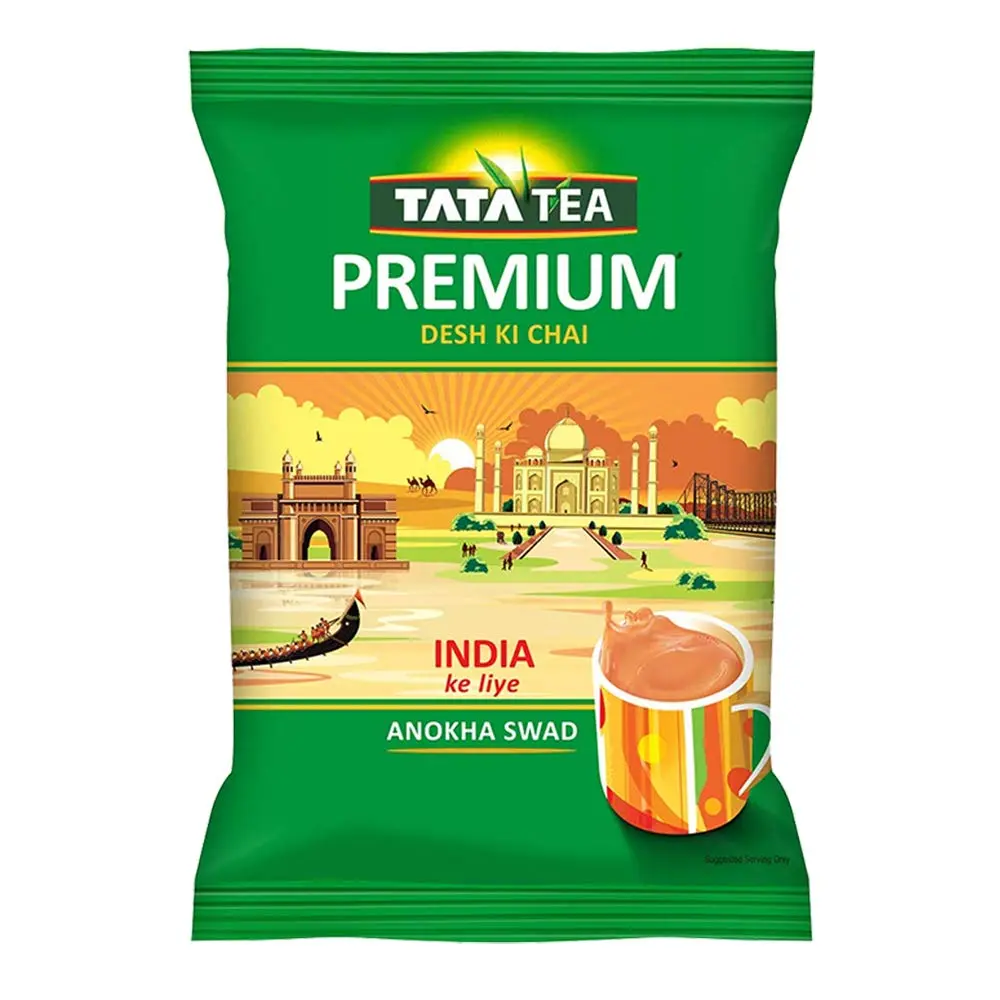
Tata Consumer Products‘ tea portfolio is arguably the most comprehensive in India. Tata Tea Gold, Tata Tea Premium, Agni, and the more premium Kanan Devan and Tetley green tea lines all sit under this umbrella. Tata Tea Gold remains the single best-selling packaged tea brand by volume in India.
The brand sources from Assam, Darjeeling, and Nilgiri estates, some of which Tata directly operates. Tata Tea Premium is a strong CTC blend suited for a very bold, high-milk chai. Tata Tea Gold includes a mix of CTC and fine leaf, giving a more complex flavor while still brewed the traditional Indian way.
For households that want reliability at scale — large family, high consumption, consistent taste — Tata Tea is the benchmark.
| Attribute | Details |
| Parent Company | Tata Consumer Products Ltd |
| Key Products | Tata Tea Gold, Tata Tea Premium, Agni, Kanan Devan |
| Sourcing | Assam, Darjeeling, Nilgiri; owns several estates |
| Tea Type | Primarily CTC with fine leaf blends |
| Availability | Pan-India across all retail formats |
| Certifications | Rainforest Alliance (select products), FSSAI |
2. Brooke Bond Red Label
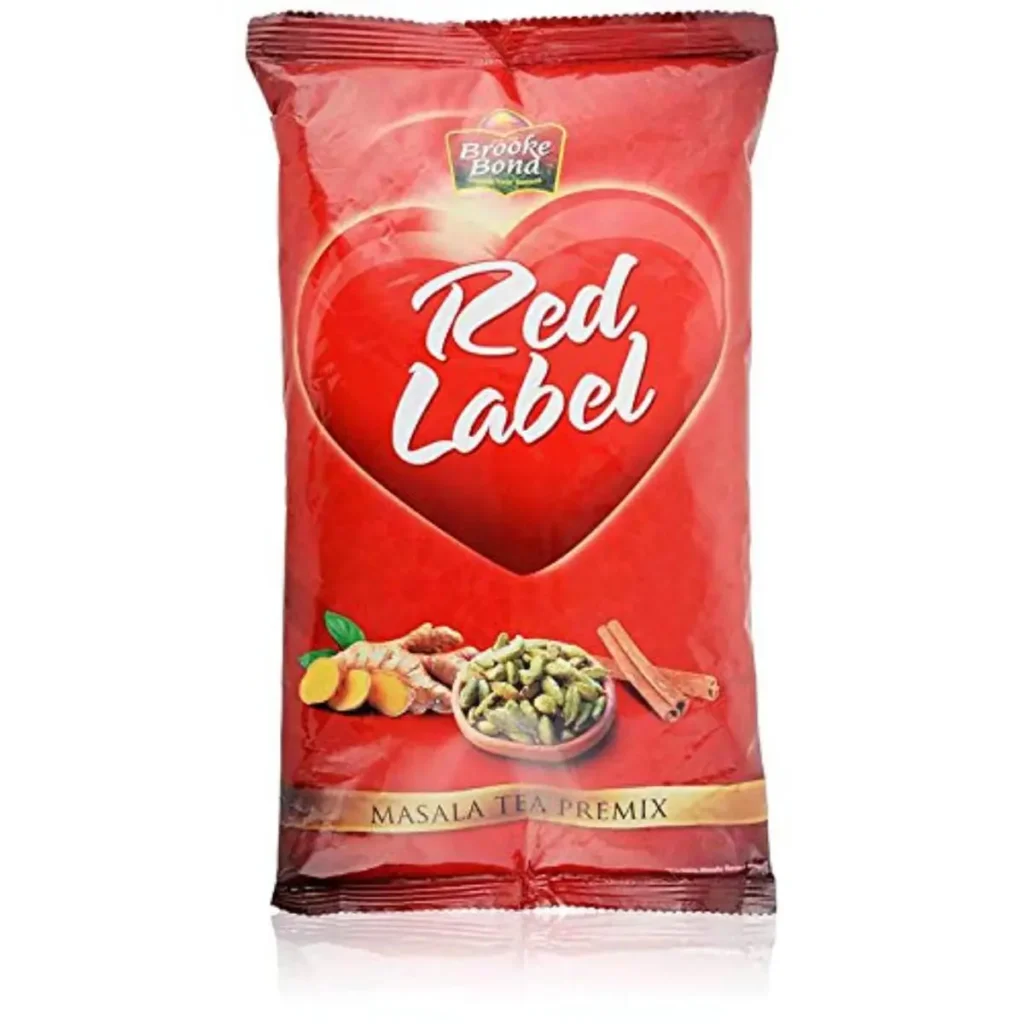
Brooke Bond Red Label is made by Hindustan Unilever and has been a staple of Indian chai culture for decades. The standard Red Label is a robust CTC blend from Assam. Its Natural Care variant — which includes tulsi, ginger, cardamom, and liquorice — pioneered the ‘value-added wellness CTC’ category in India and remains one of the best-selling masala/wellness chai products in the mass market.
Red Label Leaf Tea is a separate offering aimed at consumers who want a slightly more refined brew while staying within the Brooke Bond family. The brand excels at depth of flavor for milk-based chai at everyday price points.
3. Wagh Bakri
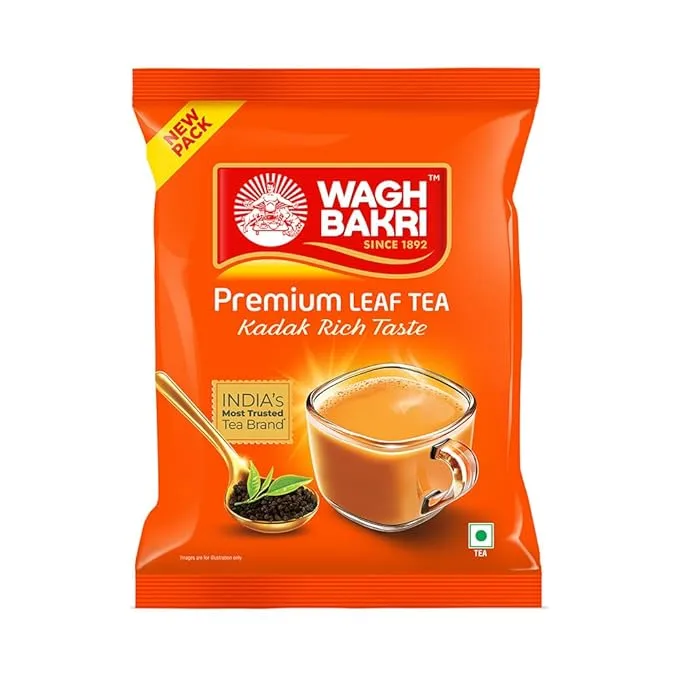
Wagh Bakri has its roots in Ahmedabad, Gujarat, and has grown into one of India’s most recognized premium CTC brands. What makes Wagh Bakri distinctive is the emphasis on a strong, aromatic, thick chai — the Gujarati way. The company runs its own tea tasting infrastructure and has invested in quality consistency at scale.
Wagh Bakri Premium Tea, Masala Chai, and their Elaichi (cardamom) blend are household favorites. The brand has expanded nationally and also has a growing export footprint. It offers good visibility in North and West India, and the company-owned Wagh Bakri Tea Lounges have helped reinforce brand premium-ness.
4. Society Tea
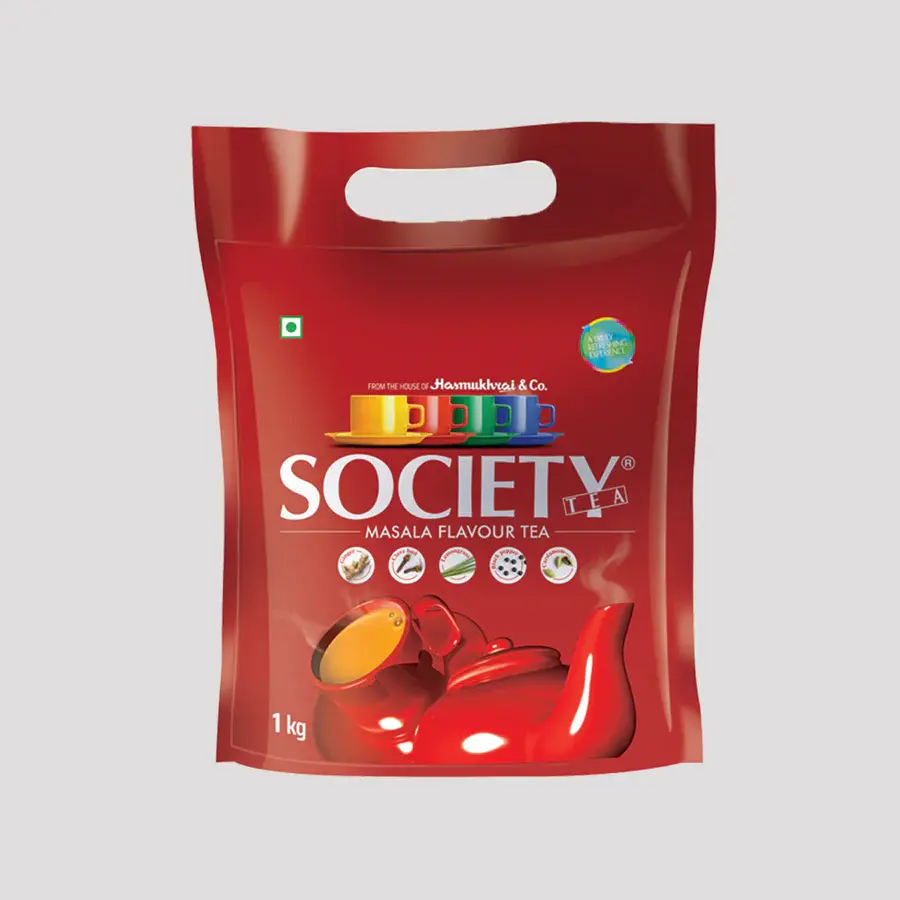
Society Tea, produced by Wagh Bakri Group under the Society Tea brand (a separate company entity historically), sources its leaves from Assam estates. It occupies a slightly more premium position than Red Label or standard Tata Tea, and its leaf-to-CTC blend ratio gives the brew a richer body with slightly lower bitterness. Society Tea has a particularly strong following in Maharashtra and Gujarat.
Its loose leaf format is popular with households that brew in traditional Indian vessels (pateela or chai kettle) and prefer a thicker cup. Consistently rated well by consumers who prioritize flavor depth over pure convenience.
5. Taj Mahal Tea
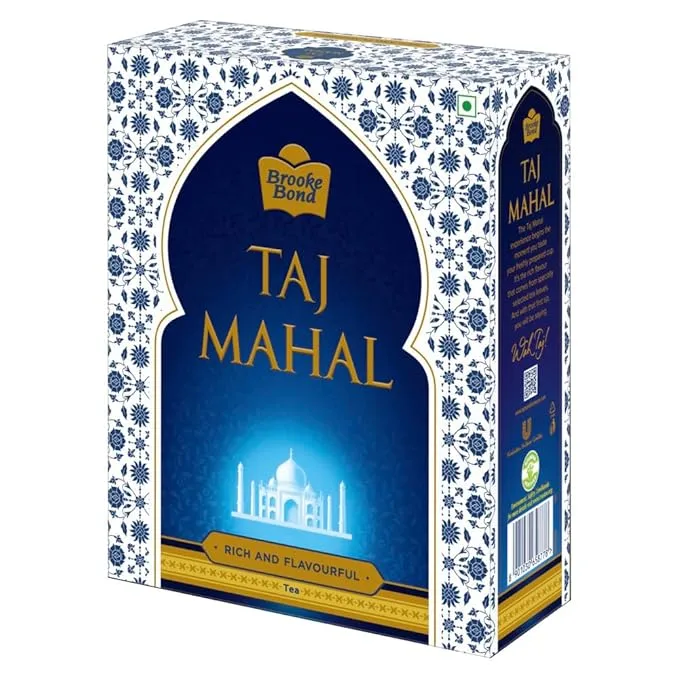
Taj Mahal is a premium brand under the Brooke Bond (HUL) portfolio and is one of India’s oldest and most respected tea names. Its traditional advertising has long featured classical music, which speaks to the brand’s aspirational, refined positioning. Taj Mahal sources from Darjeeling and Assam’s finest gardens.
The brand offers both leaf tea and tea bags. Its Darjeeling blend carries a subtle floral and muscatel note. Tea bags are particularly popular among office environments and premium gifting. For consumers who prefer black tea without milk or a sophisticated chai experience, Taj Mahal is the mainstream premium reference point.
6. Tetley
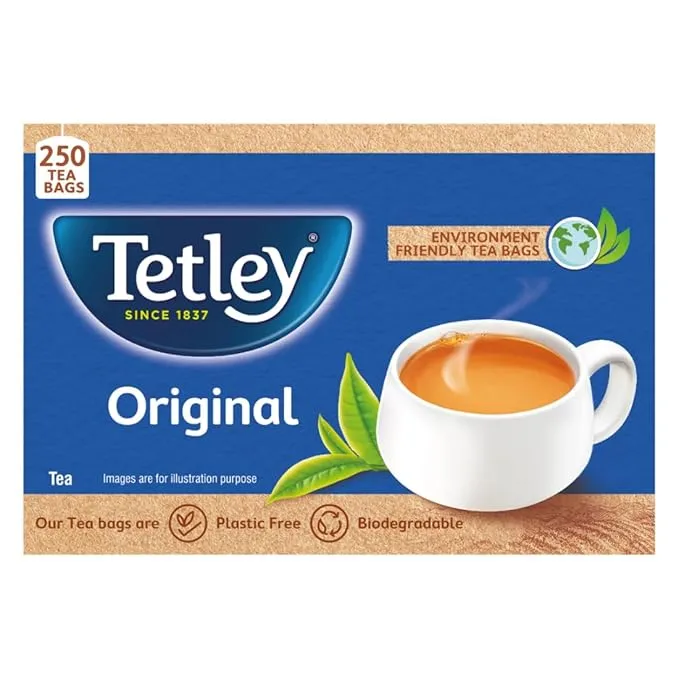
Tetley, now part of Tata Consumer Products after its acquisition, brings over 180 years of tea-making expertise. In India, Tetley’s primary strength lies in its green tea range and specialty tea bags. The brand has been one of the main drivers of green tea penetration in India’s health-conscious urban market.
Tetley Long Leaf Green Tea and its chamomile, ginger-honey, and other specialty bag variants have strong e-commerce traction. For households that want both everyday CTC chai and a separate health or herbal tea option, Tetley offers one of the most accessible multi-category portfolios.
7. Organic India
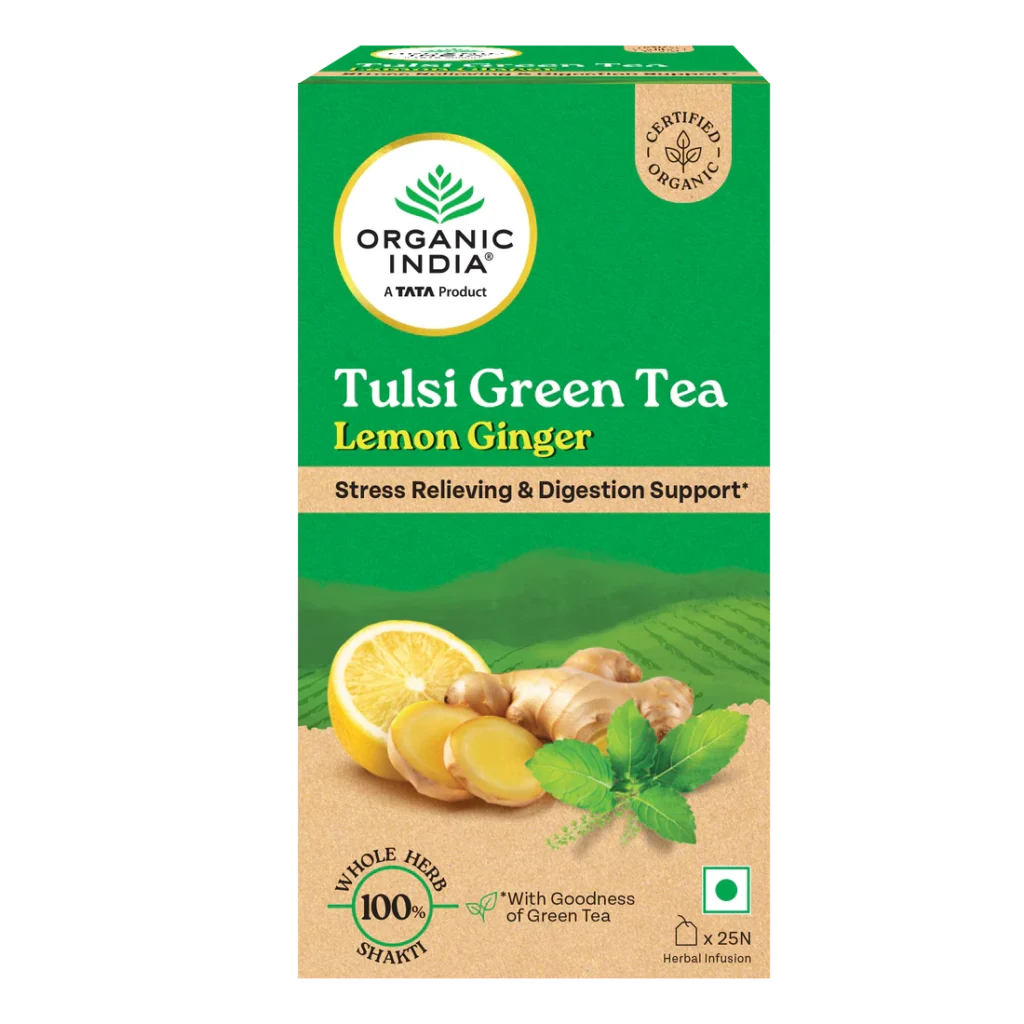
Organic India is one of the most credible names in India’s wellness tea segment. The brand works directly with certified organic farmers across Madhya Pradesh and Uttarakhand and focuses on Ayurvedic botanical blends. Its Tulsi Tea range — featuring green tulsi, lemon ginger, original, and many other variants — is perhaps the most well-regarded caffeine-free wellness tea line in the Indian market.
All Organic India products are USDA Organic certified and carry multiple international certifications for export markets. The brand is particularly popular among health practitioners, yoga communities, and international-minded Indian consumers. Food formulation applications in the Ayurvedic and nutraceutical space regularly reference Organic India’s sourcing standards as a quality benchmark.
8. Vahdam Teas
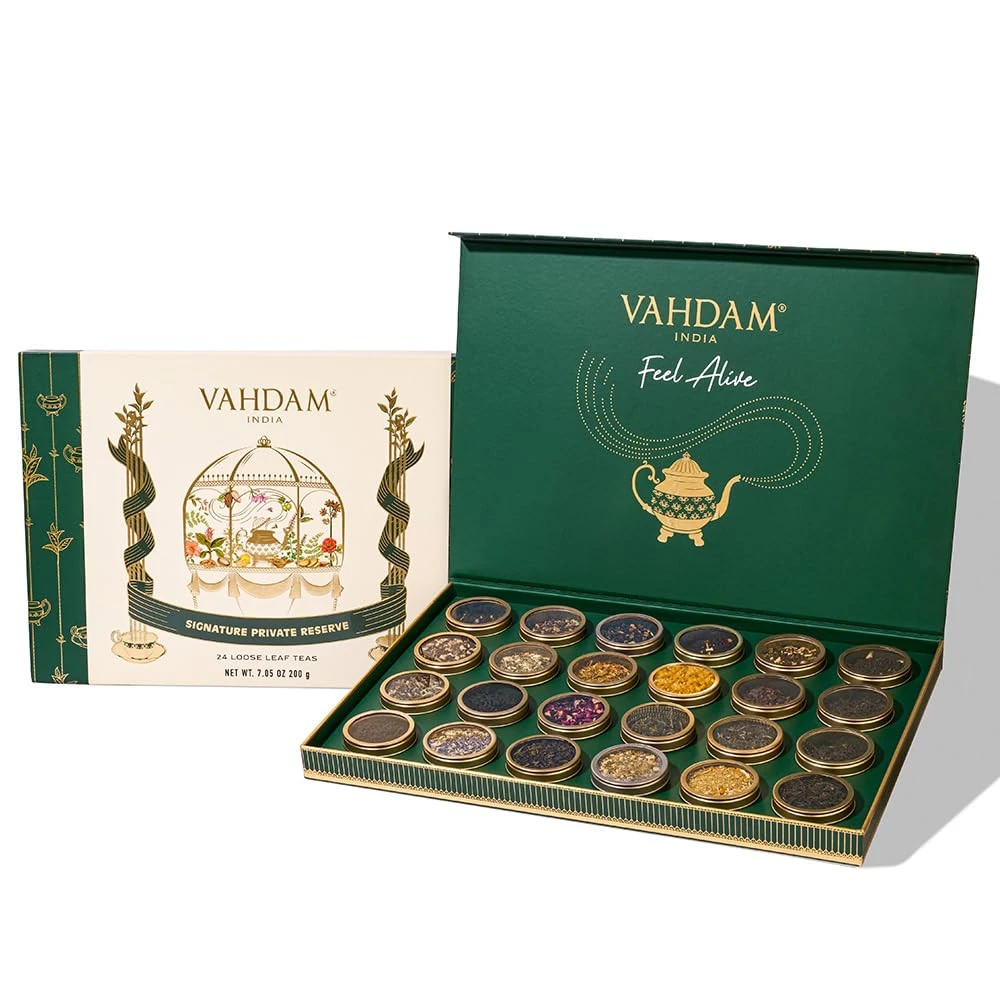
Vahdam Teas was founded in 2015 with a direct-from-estate model that cuts out multiple layers of the traditional tea supply chain. The brand sources directly from over 150 estates across Darjeeling, Assam, Nilgiri, Kangra, and the Himalayas, and ships fresh-harvest teas with packaging that maintains aroma integrity.
Vahdam has built an impressive international reputation — it is among India’s leading tea exports by value to the US and Europe. Within India, it is the go-to choice for gifting, specialty brewing, and connoisseur use. Its Darjeeling First Flush (spring harvest) teas are among the best single-origin teas commercially available in India.
9. Lipton
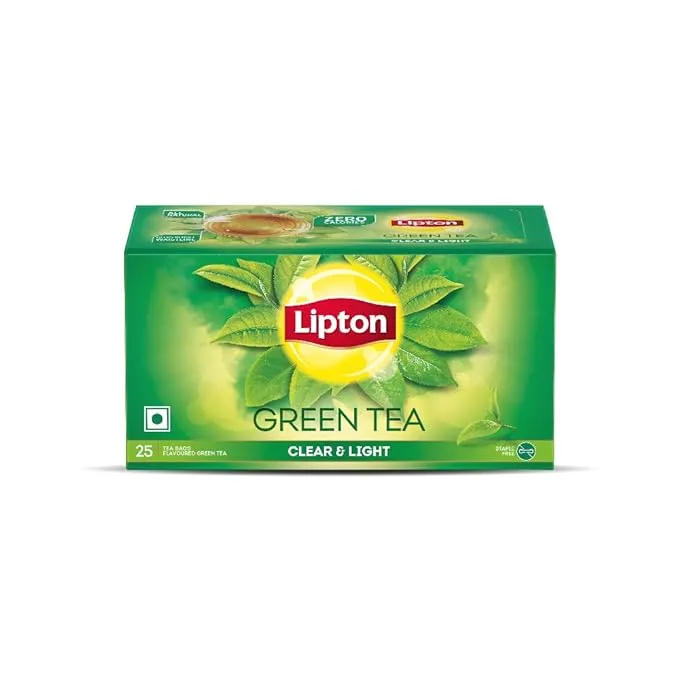
Lipton, also under HUL, is best known in India for its yellow label CTC tea and its green tea bag range. It occupies an entry-level position in the market but has strong distribution and brand recognition. For buyers who want a simple, no-fuss cup of tea at a low price, or who are just starting to explore green tea, Lipton provides a familiar and accessible entry point.
10. Halmari Tea Estate
Halmari is a single estate in Assam’s Dibrugarh district and has won multiple global awards for its orthodox Assam teas. It is not a mass-market brand — it is a specialty tea producer with a focused cult following among tea connoisseurs in India and internationally. Halmari’s golden tips, second flush, and premium Orthodox grades are sold in very small quantities and are among the highest-rated teas produced in India by international reviewers.
For households where tea appreciation resembles wine appreciation — with attention to estate, season, and brewing technique — Halmari is in a different category from every other brand on this list.
Buying Guide: Matching Tea Type to Your Brewing Style
| Brewing Style | Best Tea Type | Recommended Brands |
| Boiled in milk with sugar (standard Indian chai) | Strong CTC Assam | Tata Tea Gold, Red Label, Wagh Bakri |
| Ginger and masala chai from scratch | CTC with whole spice base | Brooke Bond Red Label Natural Care, Wagh Bakri Masala |
| Black tea without milk | Orthodox leaf / Darjeeling | Taj Mahal, Vahdam, Halmari |
| Tea bags for quick office use | Bag format (CTC or specialty) | Tetley, Tata Tea, Vahdam, Taj Mahal |
| Morning wellness / Ayurvedic use | Herbal / Tulsi / Green | Organic India, Tetley Green |
| Gifting or special occasion | Single-origin premium leaf | Vahdam, Halmari, Taj Mahal Premium |
India Tea Market: Data Snapshot for 2026
| Metric | Figure |
| India Tea Market Value (2026 est.) | ~USD 11 billion |
| Annual Growth Rate (avg.) | ~5.2% CAGR |
| India’s Global Production Rank | 2nd largest (after China) |
| Domestic Consumption Share | ~80% of total production |
| Key Tea-Growing Regions | Assam, Darjeeling, Nilgiri, Kangra, Munnar |
| Green Tea Market Growth | ~12-15% CAGR (2023-2026) |
| Top Volume Category | CTC Black Tea (~70% of packaged market) |
| Herbal/Wellness Tea Share | ~8-10% and growing rapidly |
How to Brew a Better Cup: Quick Tips by Tea Type
- CTC Chai: Start with cold water, add CTC leaves and bring to a boil, add milk and simmer for 2-3 minutes before adding sugar. Do not steep in already-boiled water.
- Orthodox Black Tea: Use freshly boiled water at 90-95 degrees C. Steep for 3-4 minutes. Never add milk to a single-origin Darjeeling — it masks the floral and muscatel notes.
- Green Tea: Use water at 70-80 degrees C (not fully boiling). Steep for 2-3 minutes only. Over-steeping makes green tea bitter.
- Herbal/Tulsi Tea: Boiling water is fine. Steep for 5-7 minutes to fully extract the medicinal compounds. No milk required or recommended.
- Masala Chai: Build the spice base first — briefly bruise whole cardamom, ginger, and cinnamon in a pan, then add water and CTC, boil for 2 minutes before adding milk.
India’s tea culture is not monolithic — it spans the robustness of an Assam CTC in a roadside chai to the delicacy of a Darjeeling First Flush brewed in a porcelain pot. The brands on this list represent genuine quality across that entire spectrum.
Frequently Asked Questions
Which is the best tea brand in India by market share?
By packaged CTC tea volume, Tata Tea and Brooke Bond Red Label (HUL) are the two largest brands. Together they account for a significant portion of India’s organized tea market. However, by quality and category specialization, Vahdam leads in premium single-origin exports, and Organic India leads in wellness/herbal teas.
What is the difference between Tata Tea Gold and Tata Tea Premium?
Tata Tea Premium is a stronger, more orthodox CTC blend suited for a very bold cup. Tata Tea Gold blends CTC with fine leaf, producing a richer, slightly more complex flavor with a better golden color. Gold is generally considered a step up from Premium in terms of the overall tea experience.
Is Wagh Bakri better than Red Label?
Both are excellent everyday chai brands but with different strengths. Wagh Bakri produces a distinctly thick, aromatic cup preferred in Gujarat and among Gujarati households nationally. Red Label has a slightly more standard CTC profile with its Natural Care variant being a standout for spiced chai. Personal preference matters significantly here — both are reliable.
Which tea brand is best for weight loss?
For weight loss purposes, green tea has the most evidence-backed literature. Organic India’s Tulsi Green Tea, Tetley Long Leaf Green Tea, and Vahdam’s Himalayan green tea varieties are among the cleaner, additive-free options. Look for brands with no added flavoring agents or sweeteners if using for health purposes.
What’s the Difference Between Nilgiri and Assam Tea?
Nilgiri tea comes from Tamil Nadu’s high-altitude mountains (2,500m), producing brisk, fruity teas with floral notes. Assam tea from the Brahmaputra plains is bold, malty, and full-bodied. Nilgiri is lighter and closer to international taste preferences; Assam suits milk-based chai. India’s portfolio includes Assam (robust CTC), Darjeeling (premium specialty), and Nilgiri across the price spectrum.
Is Organic Tea Actually Better Than Regular Tea?
Not necessarily “better”—just different. Organic tea brands like Organic India cost ₹300–₹700 with certified organic sourcing, while non-organic Wagh Bakri costs 30–50% less. Both contain antioxidants. Organic offers pesticide-free certification; regular tea offers affordability and proven health benefits. Choice depends on budget and preference.
Which Indian Tea Brands Export Internationally?
Vahdam offers premium teas with transparency and sustainability, making it popular globally. Organic India earned Regenerative Organic Certified status and serves over 40 countries. Makaibari (established 1859) is recognized globally for organic and biodynamic cultivation. Tata and HUL’s Brooke Bond dominate mainstream exports.
Should I Drink Functional Tea or Regular Black Tea?
Functional teas with turmeric, ginger, tulsi, and Ayurvedic herbs are rapidly expanding, driven by health-conscious consumers. Black tea (Assam/Darjeeling) offers more antioxidants and daily energy. Functional tea targets specific health goals (stress, immunity, sleep). Both work—black tea for habit, functional tea for targeted wellness.