Jul 2026 · 13 min read
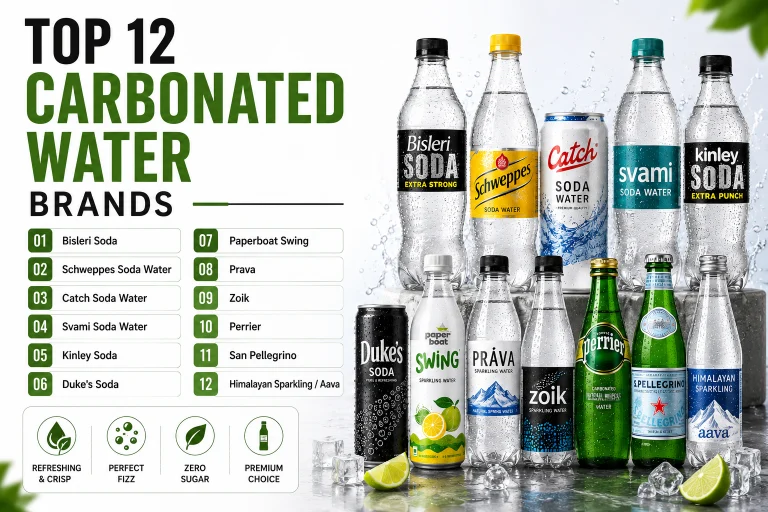
Carbonated water is a term that actually covers four very different products in India — the plain soda water that goes into your nimbu-paani, the zero-sugar flavoured sparkling water replacing cold drinks in urban fridges, imported mineral sparkling water served in fine dining, and the newer functional sparkling waters built around electrolytes and wellness claims. Lumping them together is how most buying guides go wrong.
This guide separates the categories first, then ranks the twelve brands worth knowing in each one, based on carbonation retention, ingredient transparency, FSSAI compliance, pricing, and how easy each brand actually is to buy across Indian cities. This piece has been researched and fact-checked by the food and beverage technical team at Flavor Catalystz, who work on carbonation science and beverage formulation for Indian F&B brands, so the technical sections reflect real formulation practice rather than marketing copy.
How We Evaluated Every Brand
Every brand on this list was scored against the same five factors, so a mass-market soda and a premium imported mineral water can both be judged fairly within their own category rather than against each other.
| Evaluation Criterion | What It Measures |
| Carbonation & fizz retention | How long the CO2 stays dissolved after opening, and how crisp the mouthfeel is compared to flat, over-gassed alternatives. |
| Ingredient transparency | Whether the label clearly discloses added mineral salts, sweeteners, natural flavour sources, and any functional additives. |
| FSSAI compliance & labelling | Whether the product carries the correct FCS licence category, nutrition panel, and additive declarations required under Indian food law. |
| Price per litre | Cost compared like-for-like across pack sizes, since sparkling water pricing varies more than almost any other beverage category. |
| Availability | Presence across modern trade, kirana stores, e-commerce, and the HoReCa (hotel, restaurant, café) channel. |
Carbonated Water Is Not One Category — It Is Four
Before ranking brands, it helps to know which shelf you are actually shopping from. Indian retail now stocks four distinct sub-categories under the broad “carbonated water” label, and each one is formulated, priced, and consumed differently.
| Category | What It Is | Representative Brands | Best For |
| Plain soda water | Water carbonated and dosed with mineral salts (sodium bicarbonate, potassium sulphate) for a slightly salty, neutral mixer taste. | Bisleri Soda, Schweppes, Catch, Duke’s, Kinley Soda | Cocktails, mocktails, masala soda, everyday mixing |
| Flavoured zero-sugar sparkling water | Water, natural flavour, and CO2 with zero added sugar and zero calories. | Paperboat Swing, Prava, Zoik | Replacing colas and sugary soft drinks |
| Natural / imported mineral sparkling water | Sourced from a mineral spring, carbonated naturally or after bottling. | Perrier, San Pellegrino, Himalayan Sparkling, Aava | Fine dining, gifting, premium retail |
| Functional sparkling water | Sparkling water fortified with electrolytes, vitamins, or adaptogens. | Nevas, select Evocus and Booster Water lines | Wellness-focused, post-workout hydration |
The fastest-growing of the four is flavoured zero-sugar sparkling water, largely because it is the only category directly competing with sugary soft drinks on taste and occasion, while still landing at zero calories. This is also the category where getting the science right matters most: carbonation volume, flavour-acid balance, and shelf stability all have to be engineered together during food formulation, not adjusted after a recipe is already finalised, or the product loses its fizz and flavour balance within weeks of bottling.
The 12 Best Carbonated Water Brands in India
1. Bisleri Soda
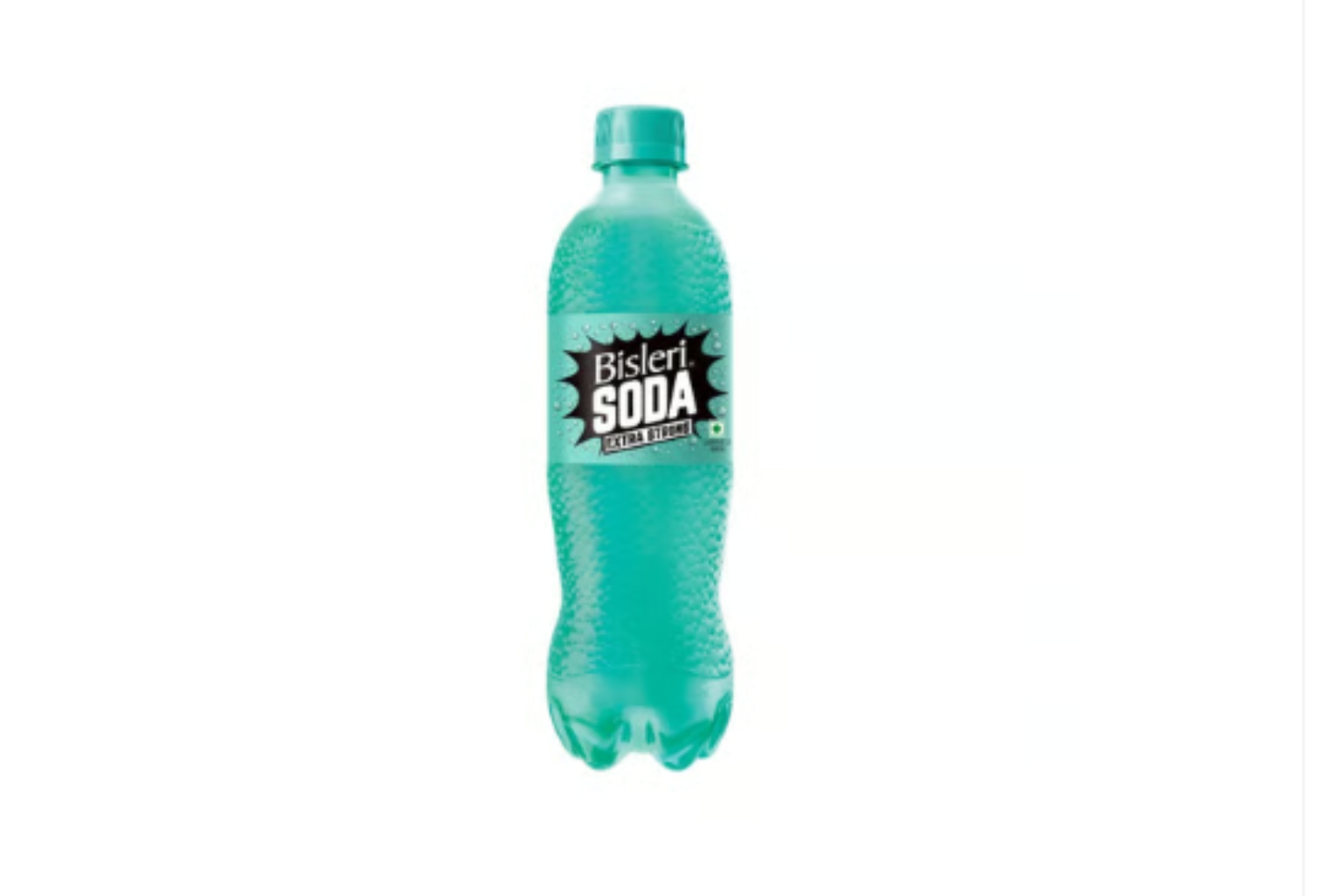
Bisleri Soda comes from Bisleri International, the company that made bottled water a household category in India starting in 1969. Bisleri Soda is positioned as an economical, extra-strong mixer for cocktails, mocktails, and masala soda at home. Independent taste tests have found that it does not retain fizz quite as long as some rivals once opened, but its nationwide distribution through 130-plus plants makes it the easiest soda water to find in almost any Indian city or town.
2. Schweppes Soda Water
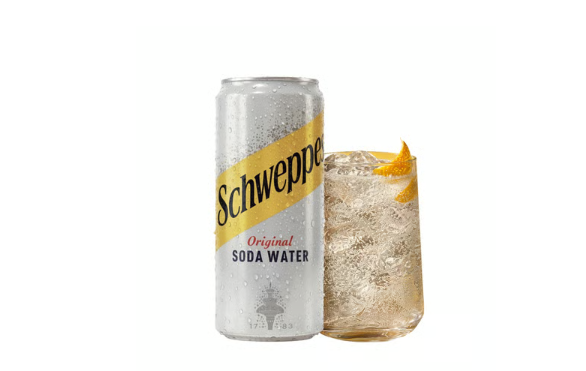
Schweppes traces its soda-making lineage back to 1783, making it one of the oldest carbonated beverage names still sold in India today, now under The Coca-Cola Company. It is made from natural water and mineral salts, has a clean, neutral taste with no sulphur aftertaste, and has performed consistently well in comparative fizz-retention tests against other mass-market sodas. It sits at a slightly higher price point than economy brands but is now widely available through modern trade and supermarkets.
3. Catch Soda Water
Catch has repeatedly come out on top in independent comparative reviews of regular-category soda water in India, rated as the fizziest and crispest option in blind time-tests where testers tracked how long carbonation held up after opening. For anyone mixing whisky, gin, or a simple nimbu soda at home, Catch is one of the more consistent everyday choices in the mass-market segment.
4. Svami Soda Water
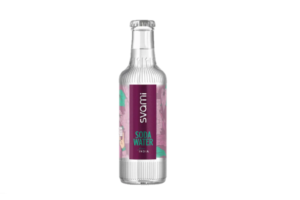
Svami is the premium-segment winner in several independent soda water comparisons, prized by bartenders and home mixologists for its long fizz retention and rounded, well-balanced mouthfeel. It costs noticeably more than mass-market soda but is built specifically for cocktail programmes where a flat or overly salty mixer would ruin an otherwise good drink.
5. Kinley Soda
Kinley Soda extends Coca-Cola India’s packaged water brand into the soda water category, leaning on Kinley’s existing distribution muscle across retail outlets, restaurants, and public spaces. It is a dependable, widely stocked mixer-grade soda rather than a premium play, and its biggest advantage is simply how often you will find it on a shelf when travelling.
6. Duke’s Soda
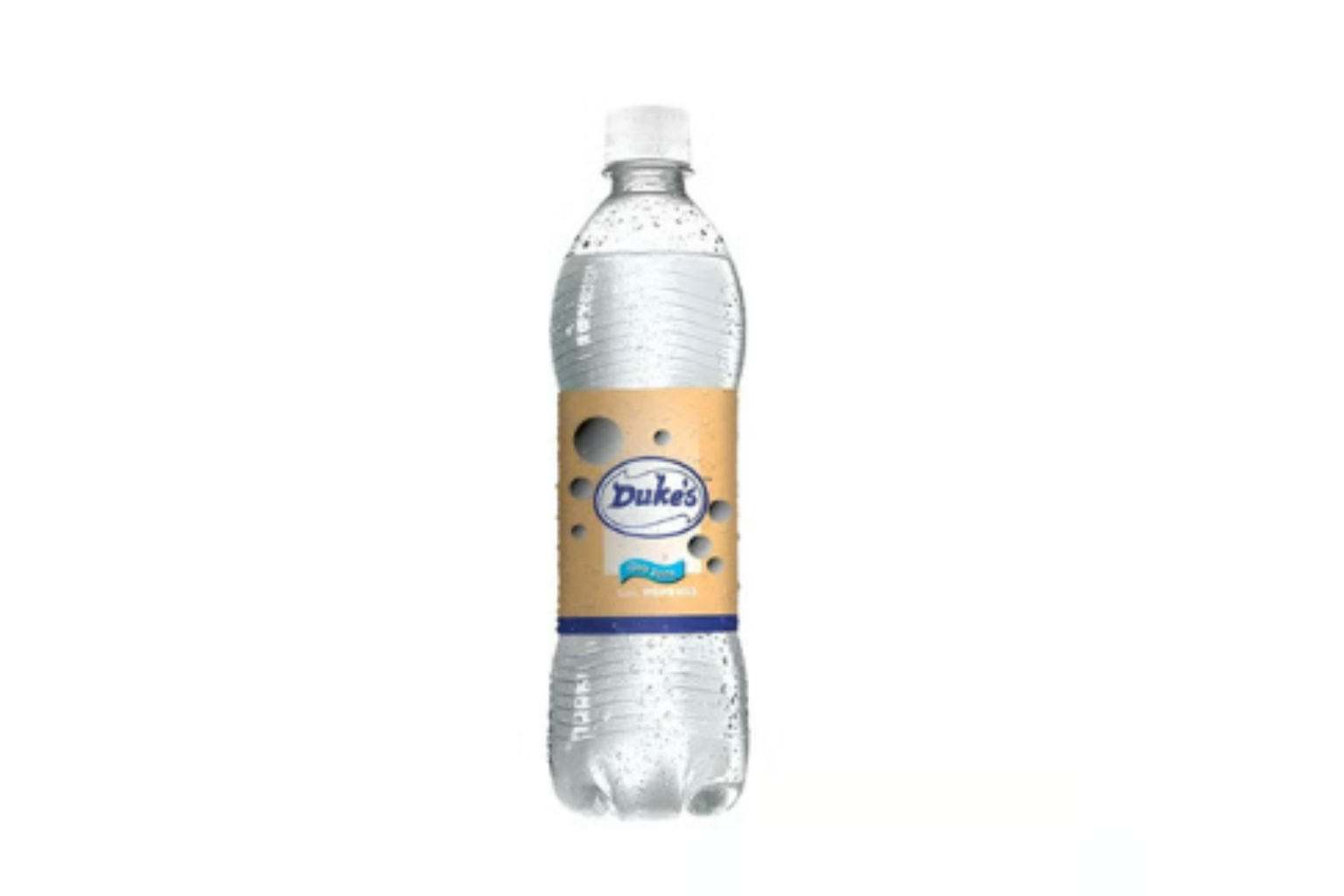
Duke’s, a PepsiCo brand, was once a defining soda name in Mumbai before fading from shelves and being relaunched in recent years as PepsiCo re-entered the soda water segment alongside Lehar Soda. It competes directly with Bisleri Soda and Kinley Soda in the mass mixer category, with strongest visibility in Western India.
7. Paperboat Swing
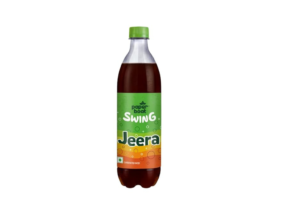
Paperboat Swing is Hector Beverages’ flavoured sparkling water line, built to give consumers who are trying to move away from cola and other sugary soft drinks a genuine fizzy alternative with natural flavour and zero added sugar. It represents one of the more visible homegrown attempts to build a mainstream, better-for-you carbonated drink rather than a niche imported one.
8. Prava
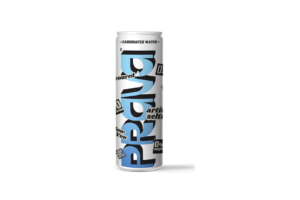
Prava markets itself around a clean formulation promise: zero sugar, zero calories, and zero caffeine, positioned as a straightforward, guilt-free fizzy option for health-conscious Indian consumers. It sits in the flavoured sparkling water category alongside Paperboat Swing and Zoik, competing largely on flavour variety and clean-label positioning.
9. Zoik
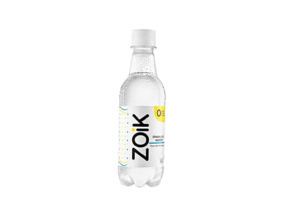
Zoik has built a loyal following among Indian consumers specifically searching for zero-sugar, zero-caffeine, zero-calorie sparkling water, with several reviewers describing its carbonation as smoother and less harsh than some competing flavoured sparkling waters. It is one of the more frequently recommended domestic sparkling water brands in online buying discussions.
10. Perrier
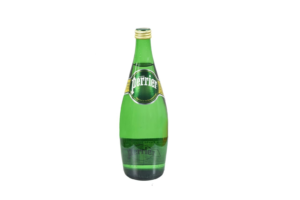
Perrier is the internationally recognised French naturally carbonated mineral water, imported into India for premium retail, fine dining, and bar programmes. Its natural carbonation and distinctive green bottle give it a strong premium identity, and it remains one of the most requested sparkling water names on Indian restaurant and hotel drink menus.
11. San Pellegrino
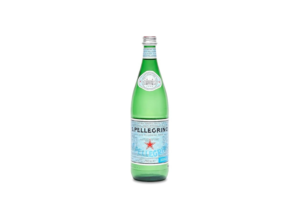
San Pellegrino, owned by Nestlé, is sourced from Italy and naturally enriched with calcium, magnesium, and mineral salts, giving it a slightly fuller mouthfeel than plain carbonated water. Since 1900, it has been positioned firmly at the premium end, and in India it is mostly found in five-star hotels, upscale restaurants, and specialty gourmet retail rather than everyday grocery shelves.
12. Himalayan Sparkling / Aava
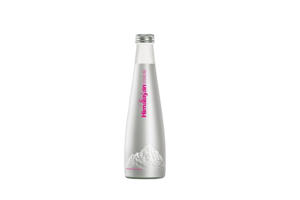
On the domestic natural mineral sparkling side, brands sourcing from Himalayan spring water compete directly with imported names like Perrier at a comparatively accessible price point, while Aava has built its positioning around fully recyclable, BPA-free PET packaging. Both represent the growing Indian effort to build a homegrown alternative to imported sparkling mineral water rather than ceding the premium shelf entirely to European brands.
Brand Comparison at a Glance
| Brand | Category | Typical Price Band | Where to Find It | Best Use Case |
| Bisleri Soda | Plain soda | Economy | Pan-India retail, online | Everyday mixer, masala soda |
| Schweppes | Plain soda | Mid | Supermarkets, e-commerce | Cocktails, general mixing |
| Catch Soda | Plain soda | Economy | Retail, online | Fizziest mass-market mixer |
| Svami Soda | Plain soda (premium) | Premium | Bars, specialty retail, online | Mixology, cocktail bars |
| Kinley Soda | Plain soda | Economy-mid | Wide retail, HoReCa | Convenience mixing |
| Duke’s Soda | Plain soda | Economy | Western India retail | Everyday mixer |
| Paperboat Swing | Flavoured sparkling | Mid | Modern trade, online | Cola replacement |
| Prava | Flavoured sparkling | Mid-premium | Online, select retail | Zero-sugar refreshment |
| Zoik | Flavoured sparkling | Mid-premium | Online, select retail | Zero-sugar refreshment |
| Perrier | Natural mineral sparkling | Premium (import) | Fine dining, gourmet retail | Premium dining, gifting |
| San Pellegrino | Natural mineral sparkling | Premium (import) | Hotels, gourmet retail | Premium dining, gifting |
| Himalayan / Aava | Natural mineral sparkling | Upper-mid | Online, premium retail | Everyday premium hydration |
How Big Is India’s Carbonated & Sparkling Water Market?
The broader Indian bottled water market — within which sparkling and carbonated water sits as a defined sub-segment — has moved from a niche safety purchase to a genuine premiumisation story over the last few years.
| Segment | Size & Forecast | Growth Rate |
| India bottled water market (all types) | USD 9.14 billion in 2026, forecast to reach USD 14.97 billion by 2031 | 10.39% CAGR (2026-2031) |
| India premium bottled water (incl. sparkling) | USD 1,271.6 million in 2025, forecast to reach USD 2,422.7 million by 2034 | 7.2% CAGR (2026-2034) |
| India functional & flavoured bottled water | Fastest-growing bottled water sub-segment through 2031 | 10.92% CAGR |
| Global sparkling bottled water | Fastest-growing bottled water product segment worldwide, 2026-2033 | 3.2% CAGR |
(Figures compiled from Mordor Intelligence and IMARC Group industry reports.) Sparkling water within this basket is still a small slice of overall Indian bottled water sales, but it is growing on the back of premiumisation and consumers who are actively substituting sparkling water for sugary carbonated soft drinks — a trend playing out across every income bracket in urban India, not just the top end.
Carbonated Water and Your Health: Separating Fact from Myth
Carbonated water carries more inherited myths than almost any other everyday beverage, mostly because people conflate it with sugary cola. Here is what the current research actually shows.
| Common Belief | What the Evidence Actually Shows |
| Carbonated water weakens your bones | Large population studies, including the Framingham Osteoporosis Study, found lower bone mineral density linked to cola specifically, due to its phosphoric acid content — not to carbonation itself. Plain carbonated water has not shown this effect. |
| Sparkling water erodes your teeth like soda does | Lab studies soaking teeth in still and sparkling water found no meaningful damage from plain carbonation. Flavoured, citrus-based sparkling waters are more acidic and carry a small erosion risk, so dentists suggest drinking them with a meal rather than sipping slowly. |
| Carbonated water dehydrates you | Carbonated water hydrates the body just as effectively as still water; the fizz does not change its hydrating effect. |
| All fizzy drinks are nutritionally the same | Plain and zero-sugar flavoured sparkling water carry no sugar and no calories, unlike traditional soft drinks, which typically contain eight to ten teaspoons of sugar per serving. |
| Carbonation is bad for digestion | Effects vary by person: some studies show carbonated water can ease indigestion and even improve swallowing ability, while people with acid reflux or IBS may experience more bloating and should moderate intake. |
FSSAI Rules Every Carbonated Water Brand Must Follow
Carbonated water is a regulated food category in India, not an unregulated novelty drink. Under the Food Safety and Standards (Food Products Standards and Food Additives) Regulations, 2011, plain soda is defined as potable water impregnated with carbon dioxide under pressure, and it falls under its own FSSAI product category with specific licensing requirements separate from packaged drinking water and from non-carbonated flavoured water.
Brands selling carbonated water in India must also comply with the Food Safety and Standards (Packaging and Labelling) Regulations, 2011, which govern how ingredients, added mineral salts, colours, and nutritional information must be declared on the pack, along with microbiological limits that apply to the water used before carbonation. Historically, carbonated water formulations were also capped at a maximum caffeine limit under earlier Indian food rules, a detail that still shapes how energy-positioned sparkling drinks are formulated and labelled today.
For a founder trying to launch a new carbonated or sparkling water brand, this is where most timelines actually slip: the recipe is rarely the hard part, getting the FCS licence category, the label declarations, and the additive limits correct the first time is. This is precisely the kind of work covered under structured food product development, where formulation, regulatory compliance, and manufacturing scale-up are handled as one connected process rather than three separate headaches.
How to Choose the Right Carbonated Water for Your Need
| If You Need It For… | Choose This Category |
| Cocktails, mocktails, or a home bar | Plain soda water — Svami for mixology, Catch or Schweppes for everyday use |
| Quitting cola or sugary soft drinks | Flavoured zero-sugar sparkling water — Paperboat Swing, Prava, or Zoik |
| Fine dining, gifting, or a premium table setting | Natural mineral sparkling water — Perrier, San Pellegrino, or Himalayan Sparkling |
| Daily wellness or post-workout hydration | Functional sparkling water with added electrolytes or vitamins |
If you are building a carbonated or sparkling water brand of your own, the food formulation work — carbonation volumes, flavour-acid balance, shelf stability, and FSSAI-ready labelling — is what decides whether a product survives beyond the first batch. Flavor Catalystz‘s R&D team works on exactly this kind of beverage formulation and food product development for Indian F&B brands, from initial recipe through to commercial-scale production.
Frequently Asked Questions
Which is the best carbonated water brand in India?
There is no single best brand across all categories. For everyday mixing, Catch and Schweppes perform consistently well in independent tests. For cocktails, Svami is the preferred premium soda. For a healthier, zero-sugar fizzy drink, Prava and Zoik are strong picks. For premium dining and gifting, Perrier and San Pellegrino remain the most recognised names.
Is carbonated water the same as soda water?
Not exactly. Carbonated water is the broad category, while soda water specifically refers to carbonated water with added mineral salts such as sodium bicarbonate, giving it a slightly salty taste designed for mixing rather than drinking on its own.
Is carbonated water good or bad for health?
Plain carbonated water, without added sugar, is considered a safe and hydrating alternative to sugary soft drinks for most healthy adults. It does not weaken bones or damage teeth the way cola does. People with acid reflux, IBS, or sensitive digestion may want to moderate intake, since carbonation can cause temporary bloating in some individuals.
Which carbonated water is best for cocktails and mixers?
Plain soda water with a neutral or mineral-forward taste works best for mixing, since flavoured sparkling water can clash with spirits and mixers. Svami, Catch, and Schweppes are the most commonly recommended options among bartenders and home mixologists in India.
Are there sugar-free and zero-calorie carbonated water brands in India?
Yes. Flavoured sparkling water brands such as Prava, Zoik, and Paperboat Swing are formulated with zero added sugar and zero calories, using natural flavouring instead of sweeteners, making them a closer nutritional match to plain water than to traditional soft drinks.
Can people with diabetes or people on a diet drink carbonated water daily?
Plain, unflavoured carbonated water and genuinely zero-sugar flavoured sparkling water are generally considered suitable for daily consumption by people managing diabetes or watching calorie intake, since they contain no sugar and no calories. It is worth checking the label for any hidden sweeteners before making it a daily habit.
What is the difference between sparkling water, soda water, club soda, and tonic water?
Sparkling water is plain or lightly flavoured carbonated water with little to no added mineral content. Soda water and club soda both carry added mineral salts for a slightly salty, mixer-grade taste. Tonic water is a flavoured carbonated mixer that contains quinine and sugar, placing it in a different category from plain sparkling or soda water altogether.
Is Bisleri Soda the same product as Bisleri’s regular packaged drinking water?
No. Bisleri’s core business is still, packaged drinking water, while Bisleri Soda is a separate carbonated product built specifically as a mixer for cocktails, mocktails, and masala soda, sold alongside the company’s other soft drink brands such as Limonata and Pop.