Aug 2026 · 16 min read
Walk into any kirana store, restaurant, or wedding hall in India, and you’ll see the same fight play out on the shelf: Coca-Cola versus Pepsi, Thums Up versus Campa Cola, Frooti versus Maaza. Soft drinks (called “cold drinks” almost everywhere in India) are one of the most competitive — and most emotional — product categories in the country. People don’t just buy a soft drink; they buy a childhood memory, a festival ritual, or a taste they grew up on.
This makes the Indian soft drink market fascinating to study, whether you’re a curious consumer, a student researching FMCG brands, or a founder about to formulate your own beverage. In this article, we’ve researched and organized the top 25 soft drink brands in India, going beyond just a name-and-logo list to explain who owns each brand, when it launched, how it makes money, and why it still matters in 2026.
We’ve grouped the brands by category — colas, lemon-lime sodas, orange drinks, mango and fruit drinks, traditional Indian beverages, energy drinks, and powdered concentrates — because most “best soft drinks in India” lists lump everything together and lose the useful detail.
Best Soft Drink Brands in India
| # | Brand | Owned By | Category | Known For |
| 1 | Thums Up | Coca-Cola India | Cola | India’s highest-selling individual CSD brand |
| 2 | Coca-Cola | The Coca-Cola Company | Cola | World’s biggest cola, largest overall share in India |
| 3 | Pepsi | PepsiCo India | Cola | Youth-focused global cola |
| 4 | Campa Cola | Reliance Consumer Products | Cola | Fastest-growing cola since its 2023 relaunch |
| 5 | Sprite | Coca-Cola India | Lemon-lime | Leading clear lemon-lime soda |
| 6 | Limca | Coca-Cola India | Lemon-lime | India’s original citrus-herb soda, since 1971 |
| 7 | 7Up | PepsiCo India | Lemon-lime | Caffeine-free lemon-lime soda |
| 8 | Nimbooz | PepsiCo India | Lemonade | Bottled nimbu paani |
| 9 | Fanta | Coca-Cola India | Orange | Leading orange carbonated drink |
| 10 | Mirinda | PepsiCo India | Orange | Fanta’s biggest rival |
| 11 | Mountain Dew | PepsiCo India | Citrus | Energy-linked citrus soda |
| 12 | Maaza | Coca-Cola India | Mango drink | India’s top-selling mango drink brand |
| 13 | Frooti | Parle Agro | Mango drink | First fruit drink in a tetra pack (1985) |
| 14 | Slice | PepsiCo India | Mango drink | Richer, pulp-forward mango drink |
| 15 | Appy Fizz | Parle Agro | Sparkling fruit drink | Created the sparkling apple category (2005) |
| 16 | Real | Dabur | Fruit juice | Leading 100% fruit juice brand |
| 17 | B Natural | ITC | Fruit juice | Natural, preservative-light juice range |
| 18 | Rooh Afza | Hamdard | Traditional sherbet | India’s oldest surviving beverage brand (1907) |
| 19 | Rasna | Pioma Industries | Powdered concentrate | Created India’s soft-drink-concentrate category |
| 20 | Bovonto | Kali Mark | Grape soda | South India’s iconic regional soda |
| 21 | Duke’s | PepsiCo India (regional) | Regional soda | 130+ year old Mumbai soda brand |
| 22 | Paper Boat | Hector Beverages | Traditional RTD drinks | Nostalgia-led ethnic beverage brand |
| 23 | Sting | PepsiCo India | Energy drink | Fastest-growing energy drink by volume |
| 24 | Red Bull | Red Bull GmbH | Energy drink | Premium, global energy drink leader |
| 25 | Tang | Mondelez India | Powdered concentrate | Rasna’s main powdered-drink rival |
The Indian Soft Drink Market: Key Numbers to Know
Understanding the numbers helps explain why every brand on this list behaves the way it does:
- Market size: Industry estimates put India’s soft drinks market between USD 41 billion (broad non-alcoholic beverage definition) and roughly USD 4.6–8.8 billion for the narrower carbonated soft drinks segment, depending on how the category is defined.
- Volume: The overall Indian carbonated drinks market is estimated at around 2.4 billion cases a year.
- Concentration: Coca-Cola and PepsiCo together still control roughly 80–85% of the carbonated soft drinks market by volume, even after new entrants.
- Low per-capita consumption: Indians drink an estimated 4–5 litres of soft drinks per person per year, compared with a global average of around 30 litres — this gap is exactly why every big FMCG player keeps investing here.
- The Campa effect: Since its 2023 nationwide relaunch, Reliance’s Campa Cola has grown to roughly 10–14% market share in several key regions and crossed ₹1,000 crore in revenue within about 18 months, forcing Coca-Cola and PepsiCo to cut prices and launch new variants in response.
- Growth rate: Category growth is estimated at 5–17% CAGR depending on the segment, with energy drinks and functional beverages growing fastest at 20%+ a year.
Top 25 Soft Drink Brands in India (Detailed List)
Cola & Carbonated Classics
1. Thums Up
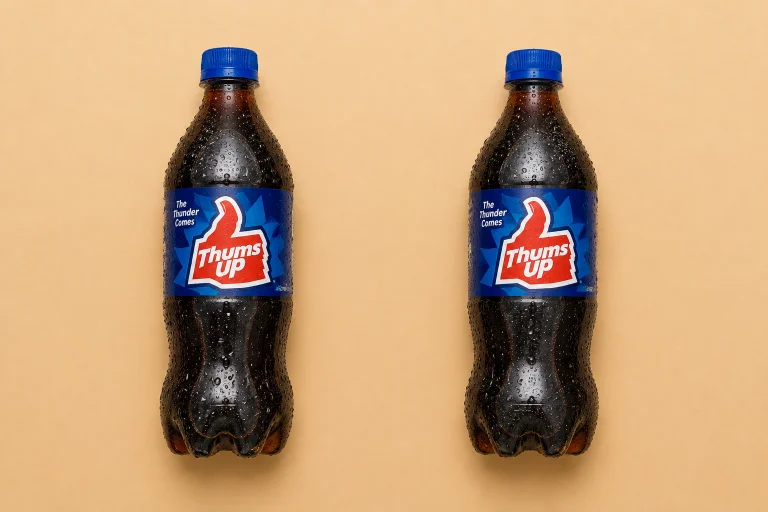
Thums Up is India’s highest-selling individual carbonated soft drink by volume. It was created in 1977 by Parle, right after Coca-Cola briefly exited India over foreign investment rules, and was designed specifically for the Indian palate — stronger, fizzier, and less sweet than international colas. Coca-Cola bought the brand in 1993 and, interestingly, kept it as its lead cola in India instead of pushing its own namesake brand harder. Its “Taste The Thunder” campaigns, built around cricket and motorsport, are a big reason it still outsells Coca-Cola itself in India.
2. Coca-Cola
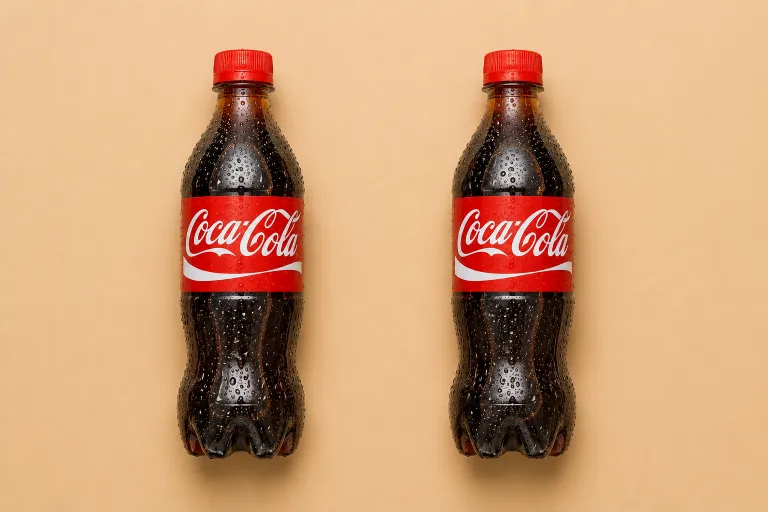
Coca-Cola is the world’s most recognized soft drink and the single largest beverage company in India by overall market share, reportedly holding around 56–60% of the carbonated soft drinks segment through its full brand portfolio. It re-entered India in 1993 after a 16-year gap and now markets close to 400 beverage brands here through a mix of company-owned and franchisee bottling plants (including listed bottler Hindustan Coca-Cola Beverages).
3. Pepsi
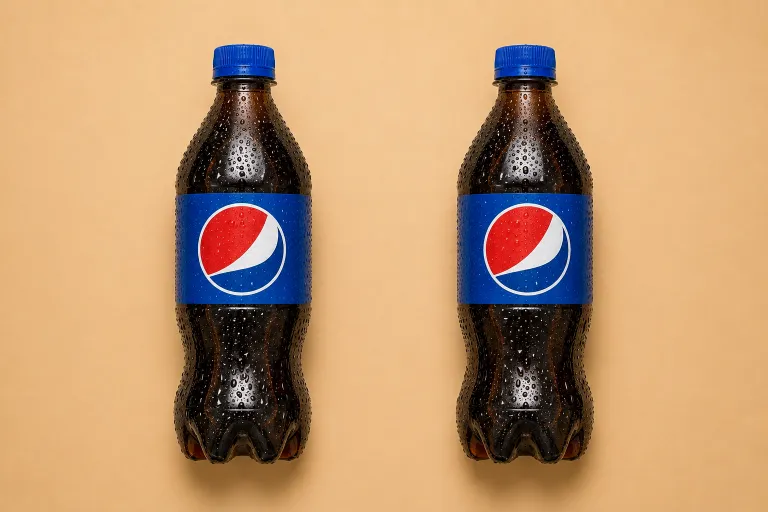
Pepsi entered India in 1989 and remains the country’s second-largest cola. Its Indian growth strategy has always leaned on youth marketing — Bollywood and cricket endorsements, catchy taglines, and constant new packaging formats. PepsiCo’s India bottling is largely run through Varun Beverages, one of the largest PepsiCo bottlers in the world.
4. Campa Cola
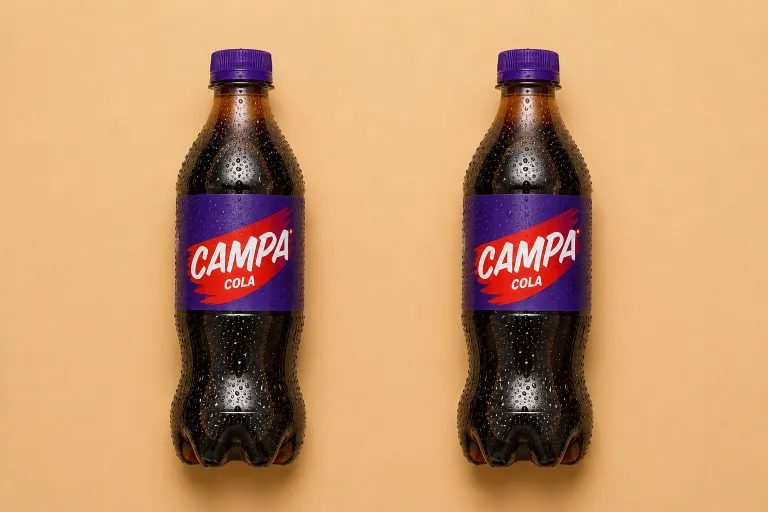
Campa Cola is the most disruptive comeback story in Indian FMCG in the last decade. Launched in 1977, it dominated Indian colas through the 1980s before fading when Coca-Cola and PepsiCo re-entered India in the 1990s. Reliance Industries bought the dormant brand for roughly ₹22 crore in 2022 and relaunched it nationally in March 2023 at an aggressive ₹10 for a 200ml bottle — about half the price of rival colas. That pricing, combined with Reliance’s massive retail network, helped Campa Cola cross ₹1,000 crore in revenue and reach double-digit market share in some regions within about two years, prompting Coca-Cola to cut its own prices in response.
Lemon-Lime & Clear Sodas
5. Sprite
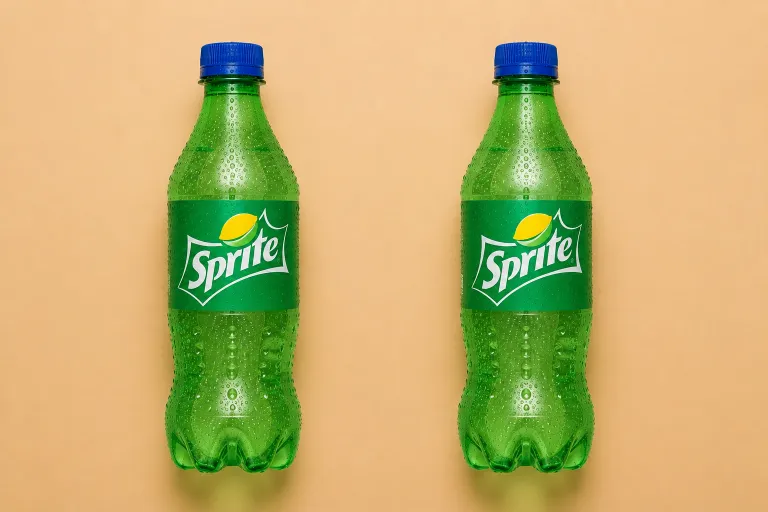
Sprite is Coca-Cola’s global lemon-lime soda and one of India’s most popular clear sodas, especially in summer. It’s positioned as a caffeine-free, refreshing option and increasingly comes in a Sprite Zero (no added sugar) variant as health-conscious buying grows.
6. Limca
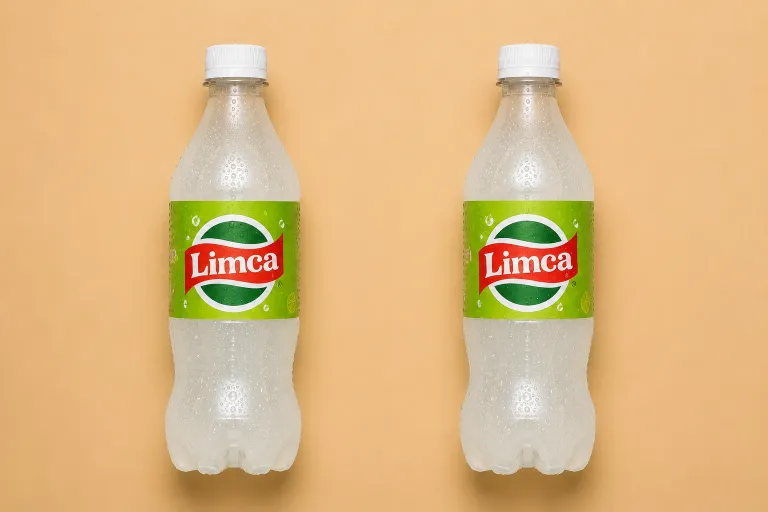
Limca is one of India’s truly homegrown soft drink names, launched by Parle in 1971 with a distinct lemon-lime flavor cut with herbs and citrus extracts — a taste profile deliberately different from imported lemon sodas of the time. Coca-Cola acquired it in 1993 along with Thums Up, Gold Spot, and Maaza. Limca even has its own “Limca Book of Records,” India’s answer to the Guinness World Records, which has kept the brand culturally relevant well beyond the drink itself.
7. 7Up
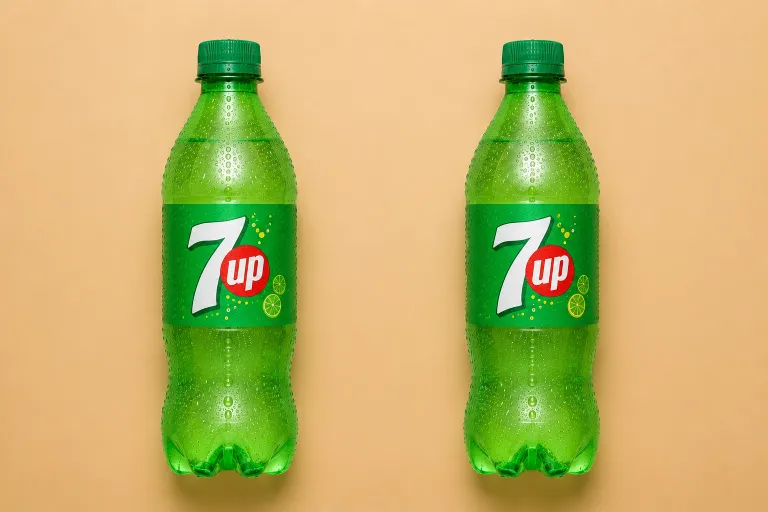
7Up is PepsiCo’s lemon-lime soda, marketed as the clear, caffeine-free counterpart to cola. In India it directly competes with Sprite and has historically leaned on humour-driven advertising (the long-running “Fido Dido” mascot era, for older audiences) to build recall.
8. Nimbooz
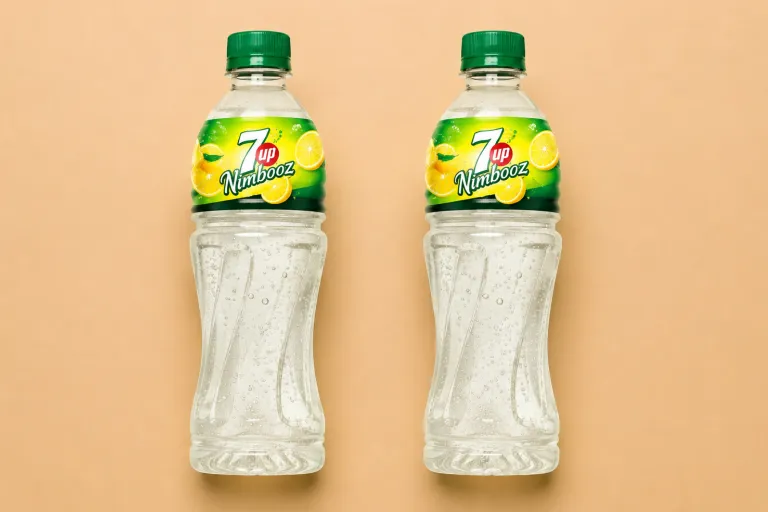
Nimbooz is PepsiCo’s answer to one of India’s most common home-made drinks: nimbu paani (lemon water). Launched to capture a market that soft drinks had never fully owned, it comes in both a still and a lightly sparkling variant, positioned as “real” lemonade rather than a flavored soda.
Orange & Citrus Sodas
9. Fanta
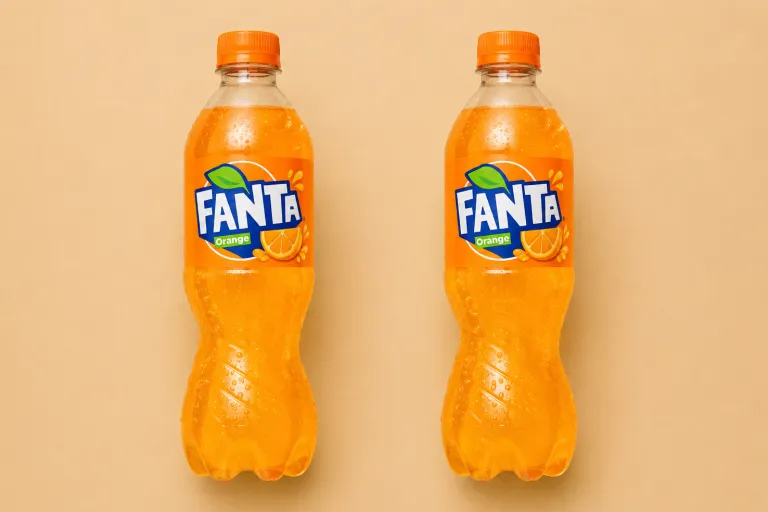
Fanta is Coca-Cola’s orange soda, valued in India for its bright color, sweet-tangy flavor, and strong recall among children and teenagers. It remains one of the top three flavored (non-cola, non-lemon) soft drinks in the country.
10. Mirinda
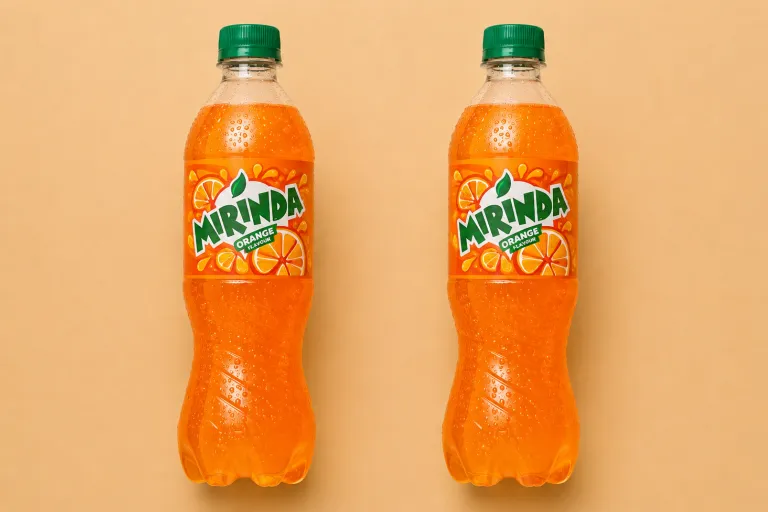
Mirinda is PepsiCo’s orange carbonated drink and Fanta’s most direct rival. Beyond orange, Mirinda has experimented with lemon and masala variants in India to compete across more flavor occasions rather than just the orange segment.
11. Mountain Dew
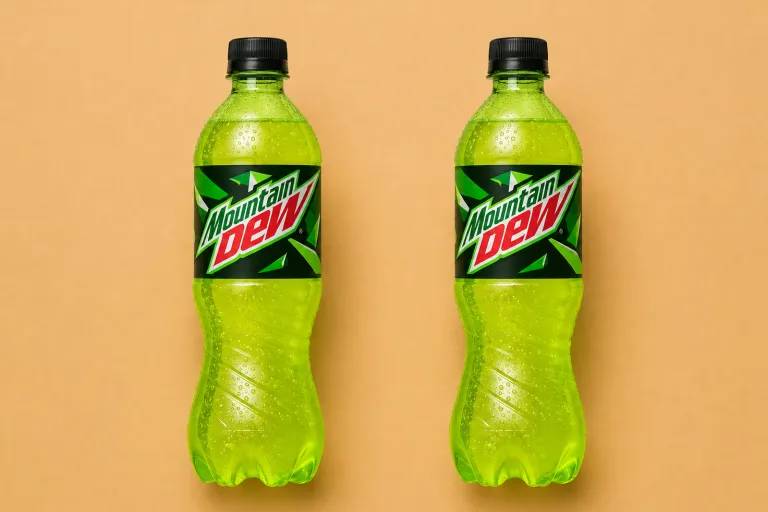
Mountain Dew is PepsiCo’s citrus-flavored soft drink, marketed in India less as a “soda” and more as an energizing, adventure-linked drink — its “Darr Ke Aage Jeet Hai” (victory lies beyond fear) campaigns built a strong following among young, adventure-seeking consumers.
Mango & Fruit-Based Drinks
12. Maaza
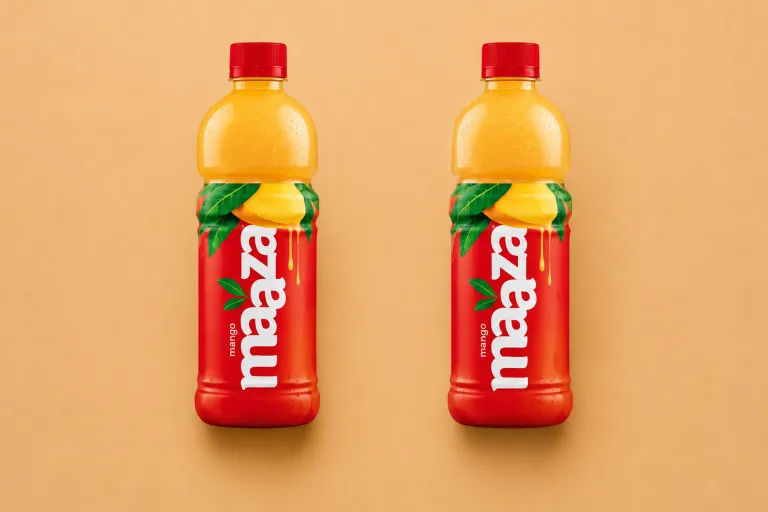
Maaza is Coca-Cola’s mango drink and one of India’s best-selling individual fruit-drink brands, reportedly accounting for a large share of the branded mango-drink market. It’s made using Alphonso mango pulp and has expanded into orange and pineapple variants, plus smaller pack sizes aimed at rural and semi-urban markets.
13. Frooti
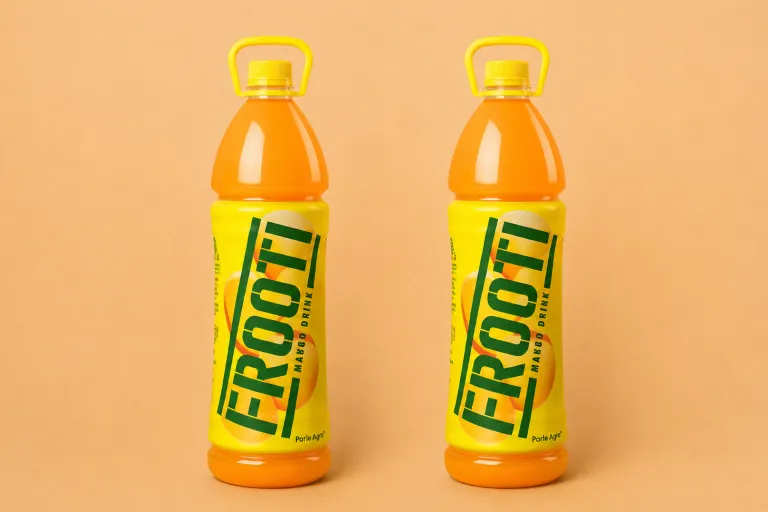
Frooti, from Parle Agro, launched in 1985 in its now-iconic green tetra pack — it was the first fruit drink in India to use tetra packaging, a genuinely category-defining packaging decision at the time. Frooti remains Parle Agro’s flagship product and one of the most recognized FMCG package designs in the country, largely unchanged for four decades.
14. Slice
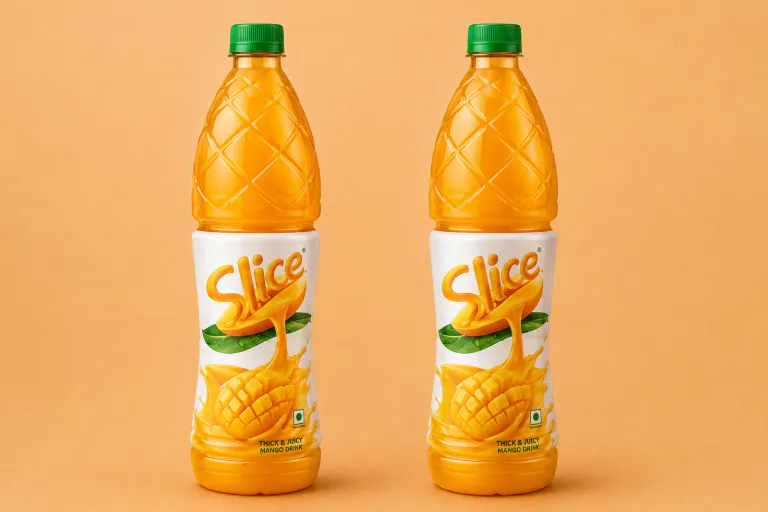
Slice is PepsiCo’s mango drink, now co-branded as “Tropicana Slice,” positioned as a thicker, more pulp-forward mango beverage compared to the lighter Maaza and Frooti. Its “Aamsutra” ad campaigns, featuring Katrina Kaif, made it one of the most talked-about FMCG ad series of its era.
15. Appy Fizz
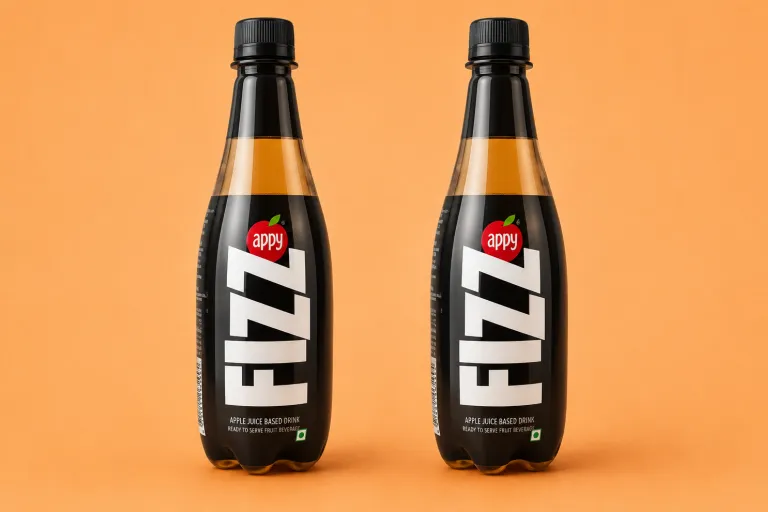
Appy Fizz, also from Parle Agro, is credited with single-handedly creating and dominating the “sparkling fruit drink” category in India since its 2005 launch — a space no other major brand had occupied before. Its distinctive curved glass-style PET bottle became almost as recognizable as the drink itself.
16. Real
Real, from Dabur, is one of India’s leading 100% fruit juice brands rather than a carbonated soft drink, but it’s consistently included in “top soft drink brand” rankings because of how it competes for the same shelf space and occasions (breakfast, kids’ tiffins, health-conscious buying). Dabur has used Real to build a strong presence in the “no added sugar” and “no preservative” juice segment.
17. B Natural
B Natural is ITC’s entrant into the fruit juice and drink space, positioned around natural sourcing and minimal processing. It competes directly with Real and Tropicana in modern trade and increasingly in quick-commerce channels, where health-labelled drinks are seeing outsized growth.
Traditional Indian & Regional Favorites
18. Rooh Afza
Rooh Afza, made by Hamdard, is arguably India’s oldest continuously sold beverage brand, launched in 1907. Its name means “soul refresher” in Urdu, and the deep-red syrup is made from a blend of herbs, fruits, and flowers including rose and mint. It’s a Ramzan and summer staple across the subcontinent and, according to Hamdard, still contributes around half of the company’s total sales — a remarkable figure for a product over a century old.
19. Rasna
Rasna created India’s entire “soft drink concentrate” (SDC) category. Launched in Ahmedabad in 1976 (originally under the name Jaffe, renamed Rasna in 1979), it let households make a full glass of flavored drink from a small amount of powder for a fraction of the cost of a bottled soft drink. At its peak in the 1990s and 2000s, Rasna reportedly held 85–93% share of the concentrate market. Its “I Love You, Rasna” jingle remains one of Indian advertising’s most recognized pieces of music.
20. Bovonto
Bovonto is a grape-flavored carbonated soda made by Kali Mark, based in Tamil Nadu, and remains one of South India’s most loyally consumed regional soft drinks — a rare case of a local brand holding its ground for decades against Coca-Cola and PepsiCo in its home market.
21. Duke’s
Duke’s is far older than most people realize: founded in Mumbai in 1889, it’s over 130 years old, making it one of the oldest soft drink brands to survive in India in any form. Originally known for its aerated lemon soda, it was acquired by PepsiCo in 2011 and relaunched with additional regional flavors like raspberry and jeera masala soda — flavors that stayed niche to Maharashtra rather than going national.
22. Paper Boat
Paper Boat, from Hector Beverages, was built around a simple insight: Indians missed home-made drinks like aam panna and jaljeera but had no hygienic, packaged version to buy. Launched in 2013 with just two flavors, it has since expanded to over a dozen ethnic flavors and moved from small pouches to 1-litre tetra packs. The company raised roughly ₹400 crore from Singapore’s GIC in 2022 and crossed ₹500 crore in revenue by FY23, even though profitability has remained a challenge — a common story for “nostalgia-led” beverage brands competing against low-cost giants.
Energy & Functional Drinks
23. Sting
Sting, from PepsiCo, has become one of India’s fastest-growing individual beverage brands, riding the 20%+ annual growth of the energy drinks category. Priced closer to a regular soft drink than a premium energy drink, it’s positioned to reach a much wider, price-sensitive audience than global energy drink brands.
24. Red Bull
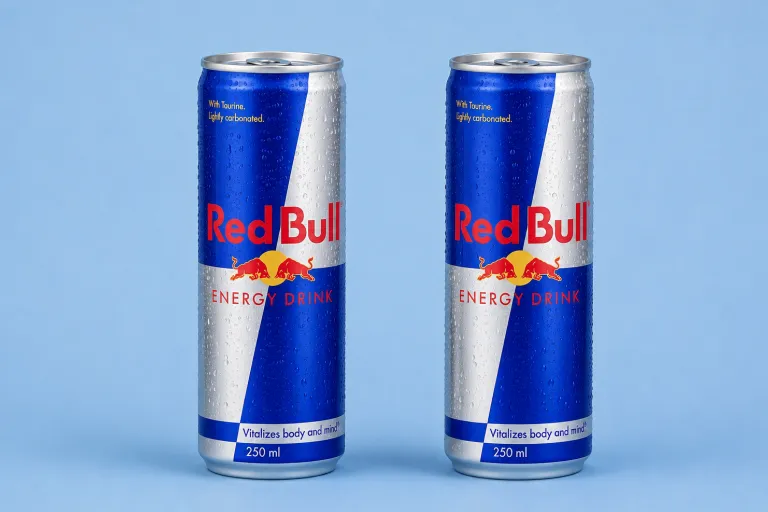
Red Bull is the dominant global energy drink brand and holds a strong position in India’s metro, gym, and HORECA (hotel, restaurant, café) channels, though at a noticeably higher price point than mass-market Indian energy drinks like Sting.
Powdered & Concentrate Drinks
25. Tang
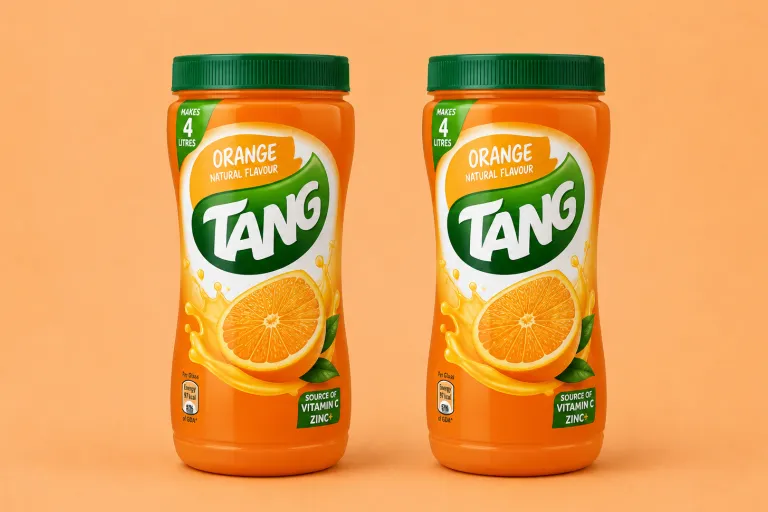
Tang, made by Mondelez (earlier Kraft), entered India in 2001 as a powdered orange drink mix and remains Rasna’s biggest rival in the concentrate category. Unlike Rasna, Tang leans on its global brand recognition and is often positioned as a breakfast-table drink rather than a general refreshment.
Soft Drinks vs Fruit Juices vs Energy Drinks: What’s the Difference?
People often use “soft drink,” “cold drink,” and “juice” interchangeably in India, but they aren’t the same thing:
- Soft drinks / carbonated soft drinks (CSDs): Water, sugar, flavoring, and carbon dioxide (fizz) — e.g., Thums Up, Sprite, Fanta, Campa Cola.
- Fruit-based drinks: Contain fruit pulp or concentrate but usually less than 100% juice, may or may not be carbonated — e.g., Maaza, Frooti, Slice, Appy Fizz.
- 100% fruit juices: No added water dilution below the legal juice-content threshold — e.g., Real, Tropicana, B Natural.
- Energy drinks: Contain caffeine and other stimulants (like taurine) aimed at alertness, not just refreshment — e.g., Sting, Red Bull, Monster.
- Powdered concentrates: Sold as powder, mixed at home with water — e.g., Rasna, Tang.
This distinction matters for anyone formulating a new beverage, since each category has different FSSAI labelling rules, shelf-life requirements, and production processes.
Key Trends Shaping India’s Soft Drink Industry in 2026
- Low-sugar and zero-sugar variants are growing fast — Sprite Zero, Pepsi Black, and similar reformulations respond directly to consumers reading sugar content on labels.
- Value pricing is back in fashion. Campa Cola’s ₹10-for-200ml strategy has pushed even Coca-Cola to cut prices in some markets — a shift the industry hadn’t seen in over a decade.
- “Desi” flavors are going national. Jaljeera, aam panna, and jeera-masala sodas are moving from regional shelves to nationwide retail and quick-commerce apps.
- Homegrown challengers are gaining real ground. Reliance (Campa Cola), Parle Agro (Frooti, Appy Fizz), and Hector Beverages (Paper Boat) show that Indian-owned brands can now compete with multinational scale.
- Functional and fortified drinks are the new white space — vitamin-added, electrolyte, and immunity-linked variants are the fastest-growing sub-segment industry-wide.
- Tier 2 and Tier 3 cities are the real growth engine. With per-capita consumption still far below the global average, most future volume growth is expected from smaller towns, not metros.
- Sustainable packaging is now a differentiator, not just a compliance checkbox — recyclable PET and lighter bottles are increasingly part of brand positioning.
Thinking of Launching Your Own Soft Drink Brand?
Every brand on this list — from a 100-year-old sherbet to a comeback cola — started with the same challenge: turning a flavor idea into a stable, shelf-ready, legally compliant product that can survive real-world distribution, heat, and shelf life. That’s where formulation expertise makes the difference between a drink that just tastes good in a lab and one that actually succeeds in the market.
Flavor Catalystz works with startups and beverage brands across India on:
- Beverage R&D and food formulation for carbonated soft drinks, fruit-based drinks, functional beverages, and powdered concentrates
- Flavor development, shelf-life stability testing, and sensory optimization
- FSSAI regulatory compliance and label guidance
- Plant setup support and scale-up from small-batch concept to commercial production
- Packaging strategy aligned with current market and sustainability trends
If you’re planning to launch a soft drink brand in India — or reformulate an existing one for 2026’s more price-conscious, health-aware consumer — Flavor Catalystz can help you go from concept to a market-ready product.
Talk to our R&D and Food Formulation Team →
Frequently Asked Questions
Which is the number one soft drink brand in India?
Thums Up is India’s highest-selling individual carbonated soft drink brand by volume. By overall market share across its entire brand portfolio, Coca-Cola India remains the largest beverage company in the country.
What is the oldest soft drink brand in India?
Rooh Afza, launched by Hamdard in 1907, is generally considered India’s oldest continuously sold beverage brand. Among carbonated drinks, Duke’s (founded 1889 in Mumbai) is one of the oldest surviving names, though it operated on a much smaller, regional scale for most of its history.
Is Campa Cola cheaper than Coca-Cola and Pepsi?
Yes. Campa Cola’s relaunch strategy was built around pricing a 200ml bottle at ₹10 — roughly half the price of comparable Coca-Cola and Pepsi bottles — which is a major reason it gained market share so quickly after its 2023 relaunch.
Is Maaza or Frooti a soft drink or a fruit juice?
Both are classified as fruit-based soft drinks rather than 100% fruit juices, since they use mango pulp or concentrate along with added water and sugar, rather than pure juice.
Which soft drink company has the largest market share in India?
Coca-Cola India leads with roughly 56–60% share of the carbonated soft drinks segment, followed by PepsiCo India. Together, the two multinational giants still control about 80–85% of the overall carbonated drinks market by volume.
Are there sugar-free or low-sugar soft drink options in India?
Yes. Coca-Cola and PepsiCo have both expanded zero-sugar and low-calorie variants (such as Sprite Zero and Pepsi Black) in India, and several D2C and fruit-juice brands now offer no-added-sugar formulations as well.
Which is the largest Indian-owned soft drink brand?
Parle Agro, the maker of Frooti and Appy Fizz, is widely regarded as India’s largest Indian-owned cold drink company. Reliance’s relaunched Campa Cola and Hector Beverages’ Paper Boat are the fastest-growing homegrown challengers as of 2026.
What’s the difference between a “soft drink” and a “cold drink” in India?
There’s no official difference — “cold drink” is simply the common Indian term for any commercially bottled, non-alcoholic refreshment, whether it’s a carbonated soda, a fruit drink, or even bottled water in casual conversation. “Soft drink” is the more formal, industry-standard term used in market research and regulation.