Jul 2026 · 9 min read
Women-focused functional beverages are one of the most significant gaps in the Indian beverage market.
Think about it: the functional beverage industry in India has built protein drinks for men who go to the gym, energy drinks for young men who stay up late, and cognitive performance drinks for competitive exam students (where the marketing skews male). Meanwhile, the largest spending demographic in India’s wellness industry — women — is served by a fraction of the functional beverage innovation directed at them.
The numbers tell the story: Indian women are the primary purchasers of health and wellness products in most households. They are the ones buying Saffola, buying functional cooking oils, buying probiotic yoghurt, buying iron supplements. The health-conscious Indian woman is an enormously powerful consumer — and she is underserved by the functional beverage industry.
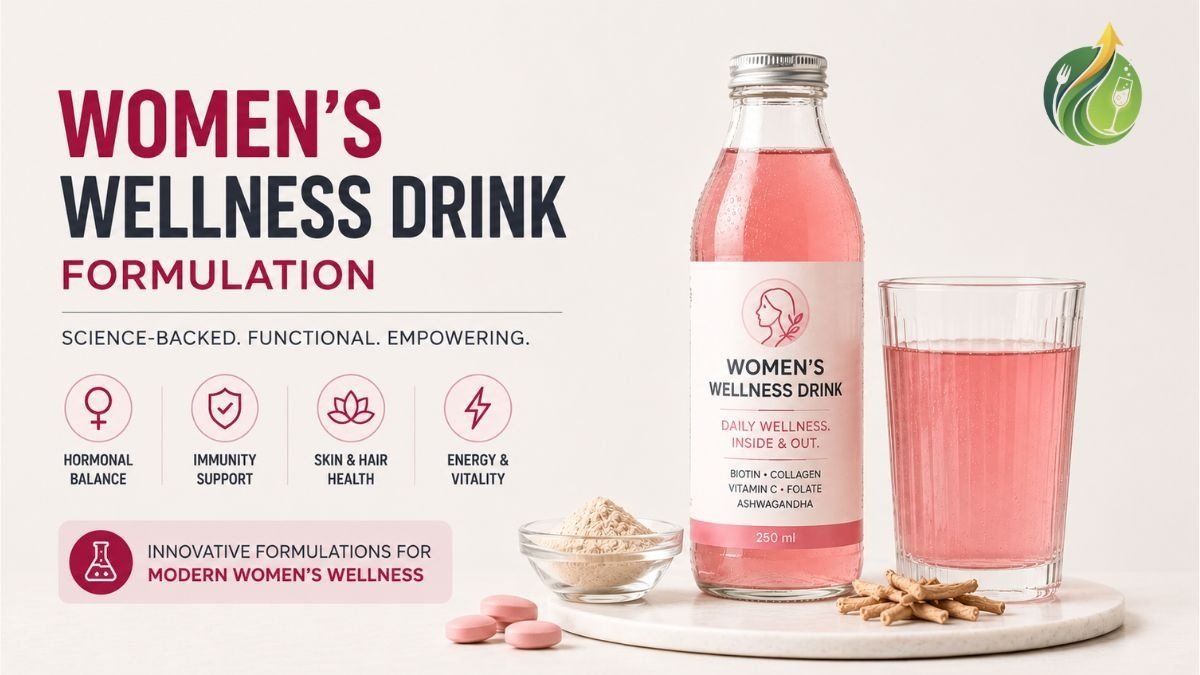
Women’s wellness drinks — beverages formulated specifically for women’s health needs across different life stages — represent one of the most commercially compelling functional beverage opportunities in India right now. This guide covers the formulation science, the consumer segments, the key ingredients, and the FSSAI compliance pathway.
Planning to Launch a Women’s Wellness Beverage Brand?
Women’s wellness beverages require more than trending ingredients. From iron absorption and hormone-support formulations to flavour balancing, stability testing, and FSSAI-compliant positioning, every detail impacts commercial success. Work with Flavor Catalystz to develop a science-backed beverage women will trust and buy again.
The Women’s Wellness Beverage Opportunity in India
The Consumer Is Ready
India’s urban women aged 25–45 represent a consumer who is health-literate, actively managing her wellbeing, and spending on products that support it. She tracks her cycle, she reads about hormonal health on Instagram, she has tried inositol for PCOS and iron supplements for anaemia. She is the ideal consumer for a women’s wellness drink — she just does not yet have one designed specifically for her in the beverage aisle.
The Health Need Is Real and Documented
Anaemia: India has one of the highest rates of iron deficiency anaemia in the world. The National Family Health Survey indicates over 57% of Indian women aged 15–49 are anaemic. An iron-supportive beverage with Vitamin C (which enhances iron absorption) addresses a massive, documented nutritional gap.
PCOS (Polycystic Ovary Syndrome): Affecting an estimated 20–25% of Indian women of reproductive age, PCOS is the most common hormonal disorder among Indian women. Inositol supplementation (particularly myo-inositol) has clinical evidence for supporting PCOS symptom management.
Hormonal imbalance and PMS: Magnesium, Vitamin B6, and shatavari have clinical or traditional evidence for supporting PMS symptom relief. An estimated 70–90% of menstruating women experience PMS symptoms.
Bone health: Indian women have a high prevalence of Vitamin D deficiency and calcium inadequacy — accelerating bone density loss particularly post-30. Calcium + Vitamin D beverages address a genuine gap.
Perimenopause and menopause: India’s ageing urban population means a growing segment of women aged 45–60 dealing with menopausal symptoms and seeking natural support.
The Competitive Gap Is Wide Open
There is currently no established Indian beverage brand specifically designed for women’s health. The category is occupied globally by brands like HUM, Ritual, and FLO — but none have built a significant presence in India. A domestic brand that understands Indian women’s specific health context (anaemia, PCOS prevalence, Ayurvedic familiarity) has enormous first-mover advantage.
Key Women’s Wellness Drink Segments and Formulations
Segment 1: Cycle Support (PMS and Hormonal Balance)
Target consumer: Women aged 18–40 experiencing PMS symptoms — mood changes, cramps, bloating, fatigue in the luteal phase.
Key ingredients:
Magnesium glycinate (200–300mg): Clinical evidence for reducing PMS symptoms — specifically mood-related symptoms and menstrual cramps. Magnesium glycinate is the best-tolerated form with minimal digestive side effects.
Vitamin B6 (10–25mg): Clinical evidence for reducing PMS-related mood symptoms. FSSAI-permitted nutrient. Function claim: “Vitamin B6 contributes to the regulation of hormonal activity.”
Shatavari (Asparagus racemosus): Ayurvedic adaptogen specifically for female reproductive health. Supports hormonal balance, manages PMS symptoms, and supports menstrual regularity. FSSAI-compliant as a traditional Ayurvedic ingredient at food-safe levels.
Chasteberry (Vitex agnus-castus): Western herbal medicine for PMS, particularly premenstrual breast tenderness and mood symptoms. Regulatory status in India requires FSSAI verification before use.
Formulation template (per 250ml serving):
- Magnesium glycinate: 250mg
- Vitamin B6: 15mg
- Shatavari extract: 300mg
- Iron (ferrous bisglycinate): 14mg (with Vitamin C for absorption)
- Vitamin C: 80mg
- Natural raspberry-hibiscus flavour
- Stevia/erythritol blend (low sugar)
- Still water to volume, pH 3.6–4.0
Segment 2: Iron and Energy (Anaemia Support)
Target consumer: Iron-deficient women — extremely common in India across all demographics. Working women with fatigue, students with concentration issues, post-partum women.
Key ingredients:
Iron (ferrous bisglycinate): The most bioavailable and best-tolerated iron supplement form. Significantly less gastrointestinal side effects than ferrous sulphate (the common supplement form that causes nausea and constipation). Target: 14mg per serving (100% RDA for women).
Vitamin C (80–100mg): Essential co-factor for non-heme iron absorption. Enhances iron bioavailability by 2–3x. Always pair iron with Vitamin C in an iron-support beverage.
Amla (Indian gooseberry): Natural Vitamin C source with additional co-factor bioflavonoids that may further enhance absorption. Culturally resonant for Indian market positioning. See our amla drink formulation guide.
Folate (B9): Supports red blood cell formation. Essential for women of reproductive age. FSSAI-permitted nutrient.
Formulation note: Iron has a metallic, slightly astringent taste at functional doses. Masking requires strong, acidic flavours — pomegranate, amla, berry, or citrus work best. The natural colour of iron-containing beverages tends toward amber-brown — lean into this with “earthy wellness” packaging rather than fighting it.
Segment 3: PCOS Support Drink
Target consumer: The 20–25% of Indian women aged 18–40 with PCOS — a consumer who is already supplement-aware and actively managing her condition.
Key ingredients:
Myo-inositol: The most clinically validated supplement for PCOS management. Clinical studies show improvements in insulin sensitivity, ovarian function, and hormonal balance. Typically used at 2,000–4,000mg daily in supplement context — can be included at 500–1,000mg in a beverage as a contribution toward total daily intake.
D-chiro-inositol: Often combined with myo-inositol in a 40:1 ratio (myo:DCI) for enhanced PCOS benefit.
Chromium: Supports insulin sensitivity. FSSAI-permitted mineral.
Spearmint extract: Clinical evidence shows spearmint tea reduces androgen levels in PCOS. Spearmint flavour is pleasant and masks other ingredients well.
FSSAI consideration: Inositol at supplement doses for PCOS management may fall under the nutraceutical/health supplement pathway. At beverage-appropriate inclusion levels, it may be includable under proprietary food. Regulatory guidance specific to your target dose is essential before production.
Segment 4: Bone and Prenatal Support
Target consumer: Women 30+ concerned about bone density, pregnant or planning women needing prenatal nutrition support.
Key ingredients:
Calcium (as calcium citrate malate): Best bioavailable calcium form for beverages. 300–500mg per serving.
Vitamin D3: Essential co-factor for calcium absorption. 400–600 IU per serving.
Vitamin K2 (MK-7): Directs calcium to bones rather than arteries. Increasingly recognised as essential alongside Vitamin D and calcium.
Magnesium: Cofactor for calcium metabolism and bone mineralisation.
Note on prenatal positioning: If explicitly positioning a product for pregnant women, consult a gynaecologist and regulatory specialist before launch — prenatal health products face heightened scrutiny and specific safety considerations.
Flavour Strategy for Women’s Wellness Drinks
Women’s wellness drinks must navigate a delicate balance: they should taste pleasant and appealing (not medicinal) while communicating health intentionality through their colour, aroma, and flavour profile.
Winning flavour profiles:
Berry + hibiscus: Deep red-pink colour from anthocyanins. Tart, fruity, refreshing. Communicates health through colour. Works brilliantly with iron-support positioning — red colour reinforces the iron/blood health story.
Pomegranate + rose: Premium, feminine, sophisticated. Pomegranate’s natural tartness masks iron’s metallic note. Rose adds a floral dimension that feels distinctly “for women.”
Raspberry + spearmint: For PCOS-support drinks — spearmint’s clinical credentials + raspberry’s accessibility = a functional flavour combination that works commercially.
Saffron + cardamom + milk: For a warm, hormone-balancing latte format — drawing on Indian culinary tradition. Saffron has traditional associations with women’s health in Ayurveda.
Packaging language: Women’s wellness drinks should communicate through visual design — soft, sophisticated colour palettes, clean typography, ingredient-forward label copy. The “pink tax” trap of pink packaging for women’s products is increasingly avoided by smart brands — design for the health-conscious woman who wants substance, not patronising aesthetics.
FSSAI Compliance for Women’s Wellness Drinks
Product classification: A women’s health drink with multiple vitamins, minerals, and botanical ingredients at functional doses is proprietary food or nutraceutical under FSSAI — product approval required.
Iron declaration: Iron is an FSSAI-declared nutrient that can carry a permitted function claim. Declare as ferrous bisglycinate and declare mg per serving in nutritional panel.
Shatavari: Used in Ayurvedic tradition. At food-safe levels, includable as a botanical ingredient. At therapeutic doses with specific health claims, AYUSH pathway considerations apply.
Inositol for PCOS: FSSAI status at supplement doses requires specific regulatory advice. Do not position or claim as a PCOS treatment — not permitted under food regulations.
Permitted claims:
- “Contains iron and Vitamin C, which contributes to normal formation of red blood cells” ✓
- “Contains Vitamin B6, which contributes to the regulation of hormonal activity” ✓
- “Contains magnesium, which contributes to normal muscle function” ✓
- “Contains Shatavari — used in Ayurveda for women’s vitality” ✓ (traditional use framing)
- “Treats PCOS” ✗
- “Cures anaemia” ✗
- “Regulates hormones” ✗
For complete claims guidance, see our FSSAI health claims on beverages guide.
Ready to Build India’s Next Women’s Wellness Beverage Brand?
Whether you’re developing an iron-support drink, a PCOS-friendly formulation, a hormone wellness beverage, or a premium functional drink for women, Flavor Catalystz provides end-to-end beverage development—from formulation and ingredient selection to FSSAI compliance, shelf-life validation, packaging strategy, and commercial manufacturing support.
FAQs
What is a women’s wellness drink?
A functional beverage formulated specifically to support women’s health needs — hormonal balance, iron and energy, bone health, PMS support, or prenatal nutrition. The formulation addresses specific nutritional gaps and health priorities relevant to women across different life stages.
What ingredients are most effective in a women’s wellness drink for India?
Iron + Vitamin C (for anaemia — the largest nutritional gap in Indian women), magnesium + B6 (for PMS and hormonal support), shatavari (Ayurvedic women’s adaptogen), myo-inositol (PCOS support), and calcium + Vitamin D (bone health).
Is there a market for women’s wellness drinks in India?
Yes — and it is significantly underserved. Indian women are the primary health and wellness purchasers in most households, have documented nutritional deficiencies (anaemia, Vitamin D deficiency), and have high prevalence of PCOS. No established domestic brand serves this segment specifically in beverage format.
What FSSAI approval is needed for a women’s wellness drink?
FSSAI product approval as proprietary food (or nutraceutical for supplement-dose ingredients). Any vitamin or mineral added must be declared in the nutritional panel. Health claims must use permitted nutrient function claim language — disease treatment claims are not permitted.
Can I mention PCOS or anaemia on my product label?
No — these are disease claims not permitted on food product labels under FSSAI. Use nutrient function claims instead: “Contains iron and Vitamin C, which contributes to normal formation of red blood cells” rather than “fights anaemia.”